
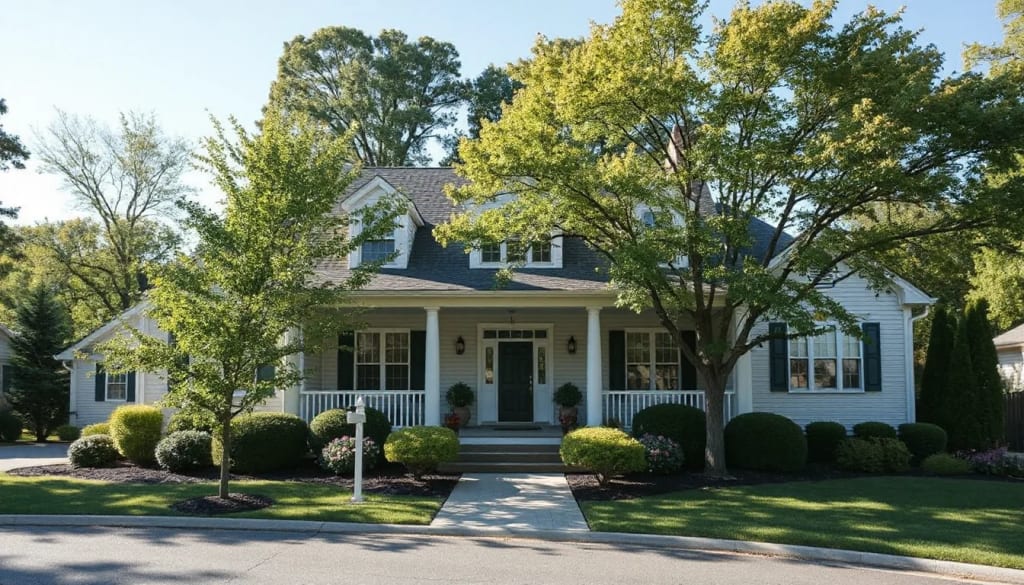
Buyer Guide to Sussex, Warren, and Morris County Home Purchases
Buying a home in northern New Jersey can feel like a fast-moving mix of strategy, timing, and local knowledge. In Sussex, Warren, and Morris counties, buyers often compare very different settings within a relatively short drive: town centers with established neighborhoods, wooded lots with extra privacy, condo communities with lower exterior maintenance, and homes near commuter routes, parks, and daily conveniences. A clear plan helps you evaluate options with confidence and move quickly when the right property appears.
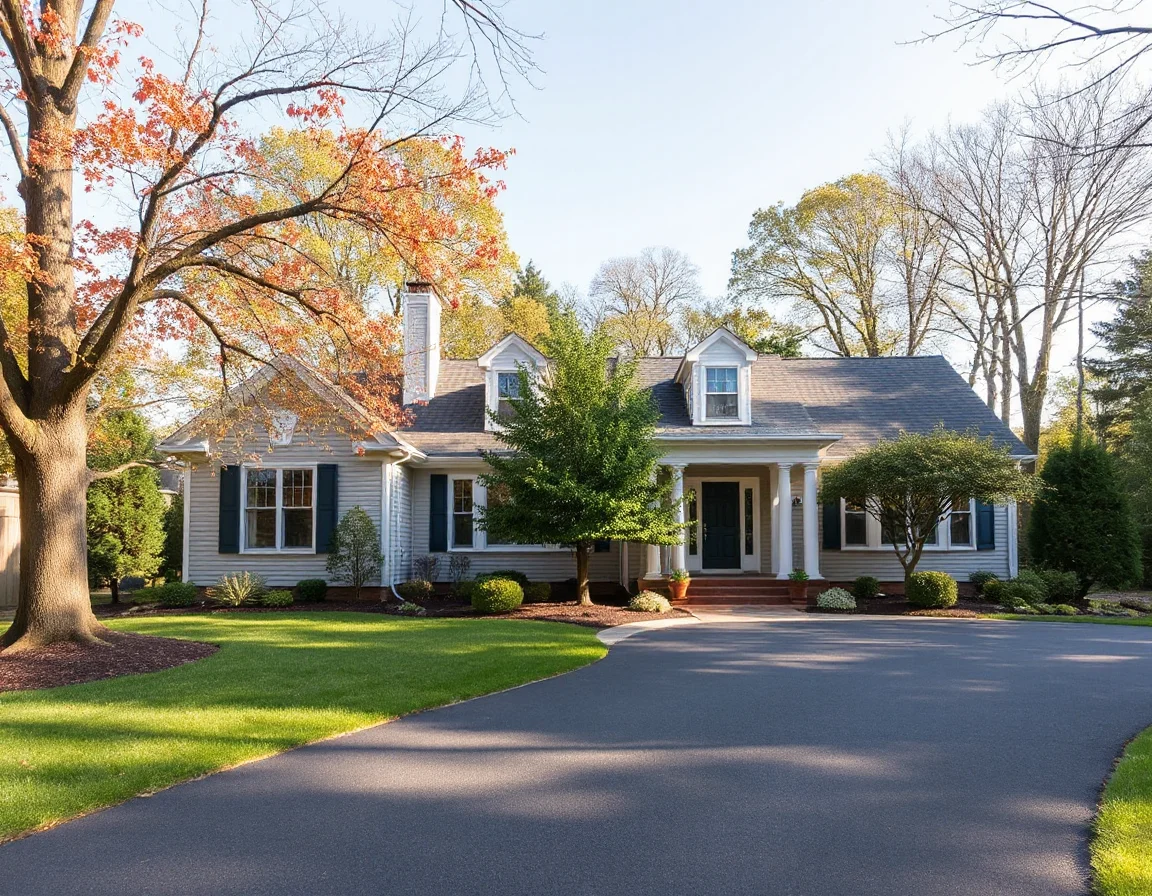
The first step is defining what matters most in your day-to-day routine. Some buyers prioritize proximity to rail service or major roads for commuting into employment centers across the region. Others focus on lot size, views, storage space, or the condition of major systems like roofs, wells, septic systems, and heating equipment. In these counties, housing inventory can include historic homes, newer subdivisions, townhomes, and properties with acreage, so narrowing your must-haves versus nice-to-haves will make the search far more efficient.
Financing is equally important. Before touring seriously, many buyers benefit from obtaining a strong pre-approval and reviewing monthly payment comfort, not just maximum loan amount. Property taxes, insurance, utility costs, and maintenance can vary from town to town and from property type to property type. A buyer looking at a detached home on a larger parcel may be comparing very different ongoing costs than someone considering a townhouse or condominium with association fees. Looking at the full monthly picture often leads to better decisions than focusing on price alone.
Market pace can also differ across these counties. Morris County often draws attention for its transportation access, employment links, and broad range of housing stock. Sussex County may appeal to buyers seeking more land, scenic surroundings, or a different pace, while Warren County offers a mix of river towns, rural landscapes, and convenient regional access. None of these areas is one-size-fits-all, which is exactly why buyers do best when they study each community through objective factors such as commute patterns, local amenities, recreation options, housing styles, and recent sales activity.
What to Evaluate Beyond the Listing Photos
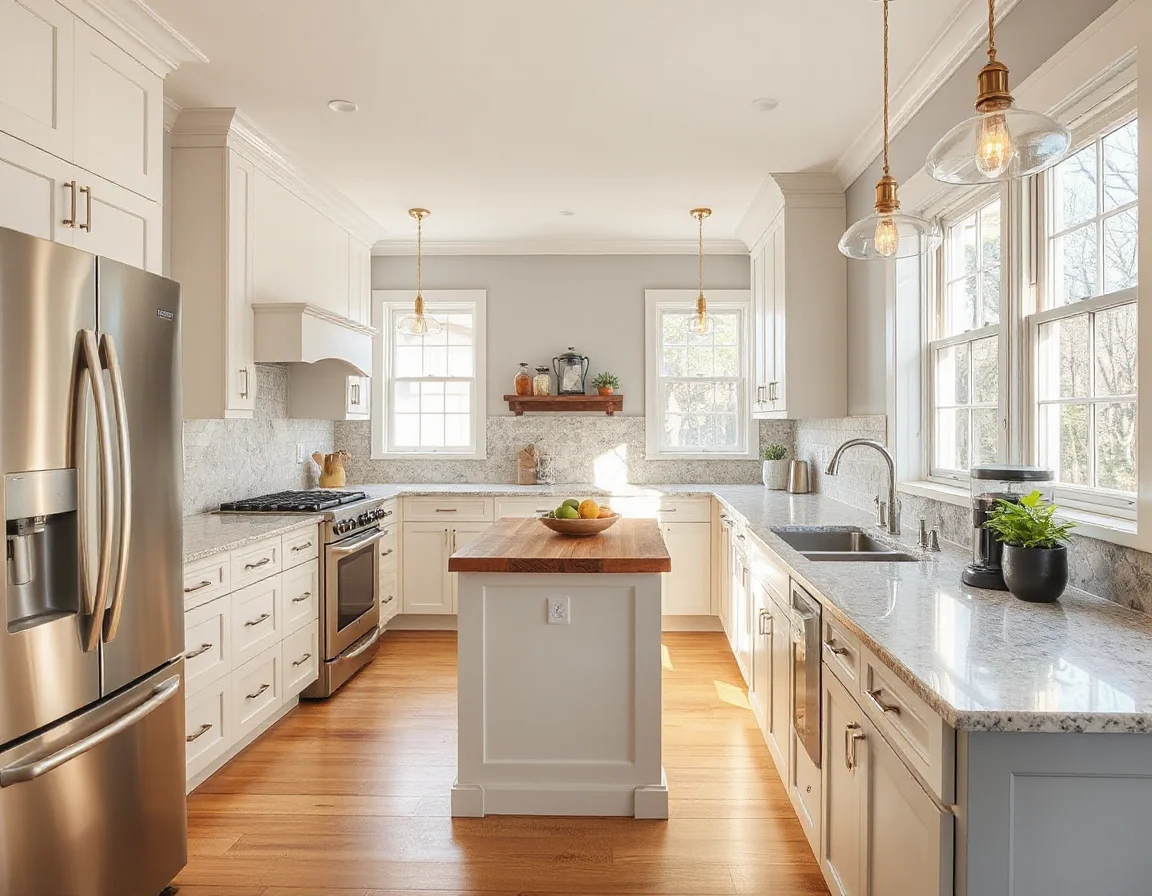
Online listings are useful, but they rarely tell the whole story. A home that looks polished in photos may need updates to windows, grading, drainage, or mechanical systems. Another property with less dramatic presentation might offer a more practical layout, better natural light, and stronger long-term value. During showings, pay attention to room flow, ceiling height, storage, exterior maintenance, driveway condition, and signs of deferred upkeep. If the home has a basement, attic, deck, or outbuildings, those areas deserve just as much attention as the kitchen and primary living spaces.
Location should be evaluated with the same care as the home itself. Instead of relying on broad impressions, look at measurable details: distance to grocery options, healthcare, outdoor recreation, public transportation, and road networks. Northern New Jersey offers access to lakes, trails, golf courses, historic districts, and town centers with year-round events and services. Depending on the municipality, you may also find a different balance of residential density, preserved open space, and commercial convenience. Those practical factors influence resale value and everyday livability more than staging ever will.
Inspections are another major part of the process, especially in areas where housing stock spans many decades. Buyers should consider the age and condition of structural components, electrical systems, plumbing, insulation, and environmental factors that may be relevant for the property type or site conditions. In some locations, septic, well, radon, wood-destroying insect, oil tank, or water quality inspections may be part of prudent due diligence. Understanding these possibilities in advance can help you prepare your budget and timeline before you are under contract.
It is also helpful to study market comparables with context. Two homes with similar square footage can differ significantly in value based on updates, lot usability, views, road exposure, and proximity to amenities. Reviewing recent closed sales, average time on market, and list-to-sale trends provides a more realistic picture than asking prices alone. Buyers who understand the data are generally better equipped to make competitive offers without overextending.
Lifestyle, Recreation, and Local Convenience
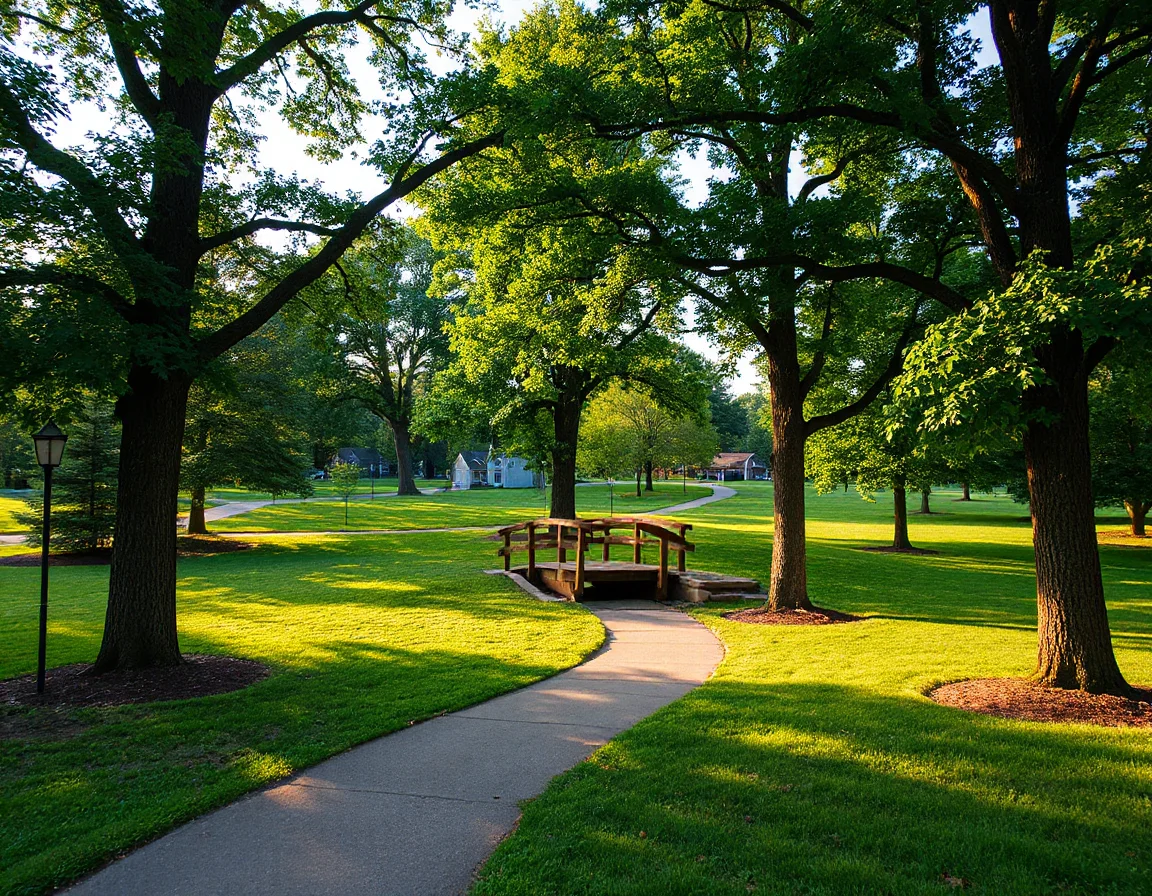
One of the strengths of Sussex, Warren, and Morris counties is the variety of ways residents can spend their time close to home. Outdoor recreation is a major draw, with trails, lakes, river access, golf courses, and seasonal scenery shaping the feel of many communities. Town centers throughout the region also offer gathering places, local services, dining, and cultural programming that add rhythm to everyday life. For buyers, this means a home search is not only about the structure itself but also about how the surrounding area supports the routines you value most.
Education is often part of the research process as well. Buyers commonly review school district information, transportation options, extracurricular offerings, and nearby educational resources as they compare municipalities. The key is to approach that research objectively and consistently, just as you would with taxes, commute times, and property features. Clear information supports better choices and helps narrow the search to locations that align with your priorities.
Dining and retail access can vary widely from one part of the region to another. Some buyers want to be near established town centers with a concentration of services and local gathering spaces, while others prefer more distance from busy corridors and are comfortable driving a bit farther for errands. Neither approach is better; it simply depends on your routine. By identifying these preferences early, you can avoid spending time on homes that are appealing on paper but not well matched to your day-to-day needs.
Making a Strong Offer and Preparing for Closing
When you find the right home, preparation matters. A clean offer package with solid financing, clear terms, and realistic timelines can help your position in a competitive situation. Depending on the market, buyers may need to balance price, contingencies, closing flexibility, and repair expectations. The strongest strategy is usually one grounded in current local data rather than emotion. That approach keeps the process focused and reduces the chance of regret later.
From accepted offer to closing, buyers should be ready for appraisal, inspections, document review, lender requests, and final walkthrough details. Staying organized can make this period much smoother. Keep track of deadlines, maintain open communication with your lender and attorney, and avoid major financial changes until after closing. A home purchase involves many moving parts, but with a thoughtful plan and reliable guidance, the process becomes much more manageable.
Whether you are drawn to a classic neighborhood setting, a low-maintenance townhome, or a property with more land and a quieter backdrop, Sussex, Warren, and Morris counties offer a broad range of possibilities. The best purchase decisions come from combining market insight with a realistic understanding of your budget, timeline, and preferred features. With careful research and a disciplined approach, buyers can navigate this part of New Jersey with clarity and make a move that supports both present needs and long-term value.