
Pricing is one of the biggest factors shaping how quickly a Sussex County home gets attention and what kind of offers come in. The goal is not simply to aim high or low, but to position the property where current buyers see clear value compared with competing listings and recent sales. A smart pricing plan combines local data, condition, timing, and presentation so your home enters the market with momentum instead of needing repeated reductions.
Why pricing strategy matters from day one
The first days on the market often set the tone for the entire sale. When a home is priced in line with recent comparable sales, current competition, and its present condition, buyers are more likely to schedule showings quickly and make serious comparisons. When the price misses the market, the listing can lose energy, sit longer, and invite the question every seller wants to avoid: what is wrong with this property?
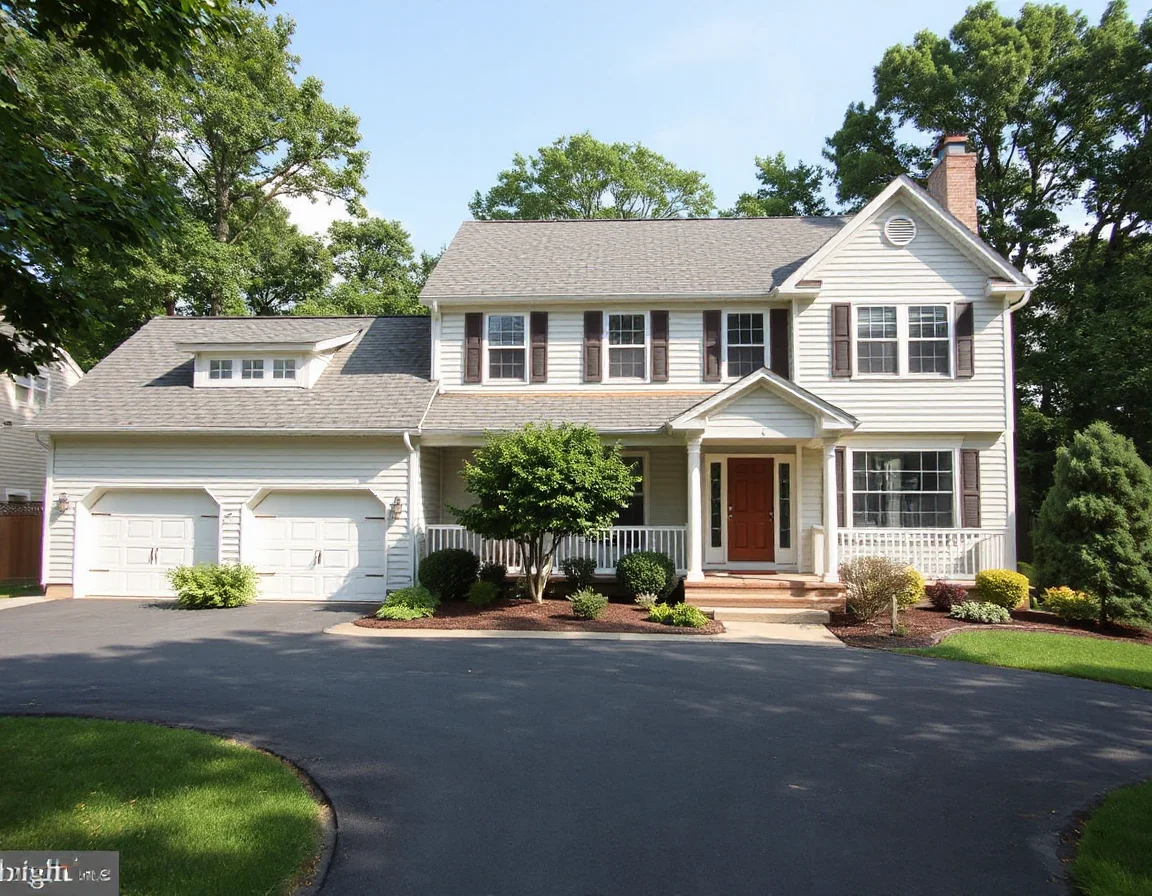
That is especially important in Sussex County, where inventory, seasonal timing, lot sizes, and property styles can vary widely from one town to another. A lake-area home, a rural colonial on acreage, a townhome near everyday conveniences, and a renovated ranch can all attract different buyer expectations. A pricing approach that works in one pocket of the county may not translate cleanly to another, which is why broad online estimates are only a starting point.
Strong pricing also helps your marketing work harder. Professional photos, staging touches, and listing exposure can drive traffic, but those efforts have the biggest payoff when the number on the listing feels credible. Buyers who feel a home is priced fairly are more likely to act quickly rather than wait for a reduction.
The best launch window is usually the one where your home debuts at a convincing price, not after multiple adjustments. Early interest often brings the strongest leverage for a seller.
Start with comparable sales, not wishful thinking
A reliable list price usually begins with recent comparable sales: homes that sold nearby with similar square footage, lot characteristics, age, layout, and overall condition. Pending sales and active competition matter too, because they show where the market is moving right now. Closed sales explain what buyers have recently paid, while active listings show what else your home must compete against today.
Not every comparison deserves equal weight. A property with updated kitchens, newer mechanicals, finished lower-level space, or outdoor features that are in demand may justify a stronger position than a similar home with more deferred maintenance. At the same time, overvaluing improvements can create a gap between what a seller spent and what the market is willing to recognize. Renovations can absolutely add value, but not always dollar-for-dollar.
It also helps to look carefully at price per square foot without relying on it alone. That metric can offer a quick benchmark, but it does not capture lot usability, setting, views, privacy, floor plan efficiency, or the difference between standard updates and truly move-in-ready condition. In Sussex County, those details often shape buyer response more than a simple formula does.
Get a home value starting point
Condition, presentation, and buyer perception all affect price
Two homes with similar specs can produce very different reactions once buyers walk through the door. Cleanliness, light, paint condition, flooring, storage, curb appeal, and even furniture placement influence whether the asking price feels justified. If buyers see a well-prepared home, they are often more comfortable making a strong offer because the value feels easier to understand.
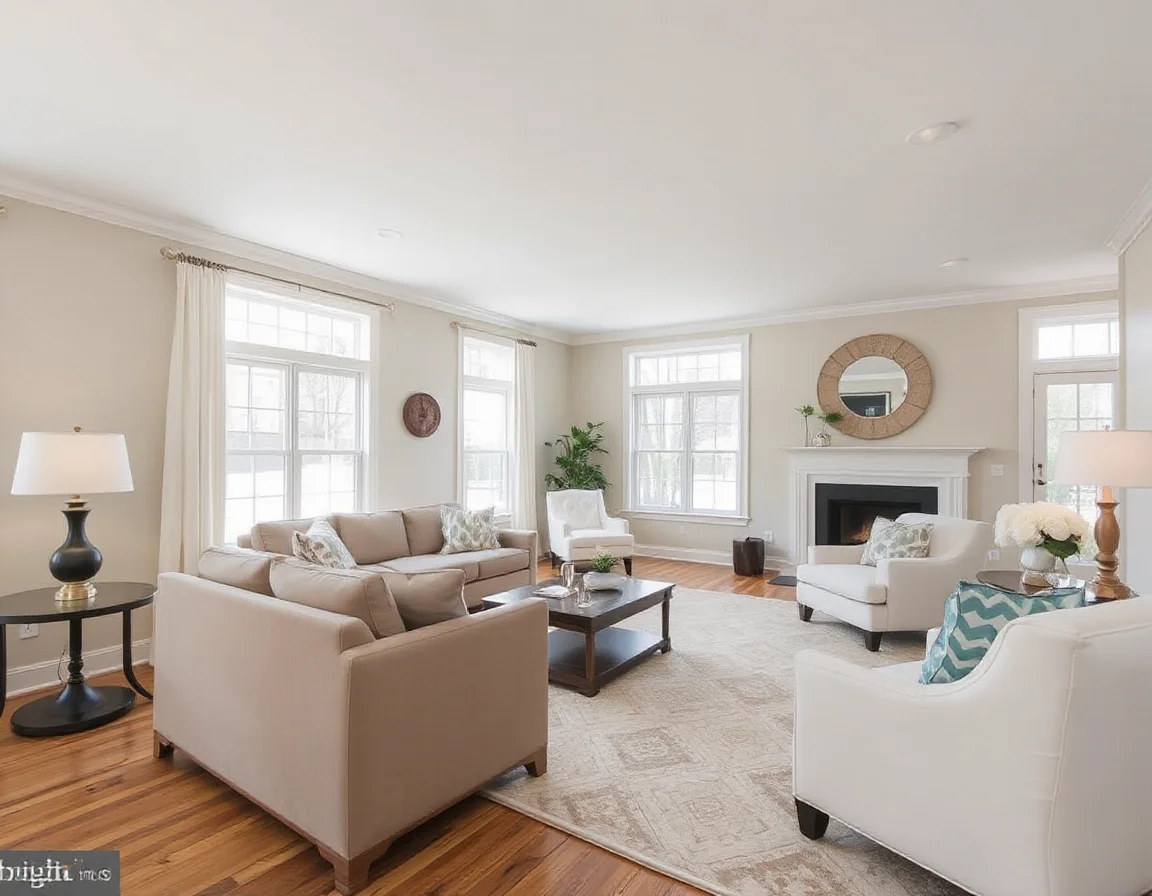
That does not mean every seller needs a full renovation before listing. Often, the highest-return steps are practical ones: decluttering, minor repairs, neutral paint where needed, sharper landscaping, cleaner sightlines, and a more polished entry experience. These details help buyers compare your property more favorably against similar homes in their online search and in person.
Pricing should reflect the home buyers will actually experience, not the version it could become after future projects. If a property needs updates, there is still a market for it, but the number has to leave room for those costs and the effort buyers expect to invest. A realistic price can attract serious interest from the start, while an aspirational price may narrow the field.
Buyers tend to notice visible maintenance items quickly because they signal possible future costs. Addressing a few obvious issues before listing can support a firmer asking price.
Presentation also matters online. Since many buyers screen listings on their phones before deciding what to tour, the photos and pricing have to work together. If the visual impression says one thing and the asking price says another, buyers often move on without scheduling a showing.
Watch the competition currently on the market
One common mistake is pricing only from past sales without considering active listings. Buyers shopping in Sussex County are comparing your home in real time against other options in the same price band. If a nearby listing offers a newer kitchen, more finished space, or a more updated exterior at a similar number, your home may need a sharper price to stand out.
That does not always mean being the lowest-priced option. Sometimes the right move is to sit at a similar level but make sure the home is presented more convincingly. Other times, a slightly more strategic price point can widen exposure by catching buyers searching within a certain budget range. Small adjustments can affect whether your listing appears in more saved searches and filtered results.
It is also worth paying attention to stale inventory. If a competing property has been on the market for a long time, that does not automatically validate your higher number. In many cases, it is a warning sign that the market has already rejected that price. The stronger signal usually comes from homes that went under contract efficiently.
Browse current Sussex County listings
Timing and pricing work together
Seasonality can influence traffic, but price still does the heavy lifting. A well-priced home can generate activity in many market conditions, while an overpriced one can struggle even during busier stretches. In Sussex County, weather, holiday timing, school calendars, and local inventory patterns may shape showing volume, yet buyers remain highly sensitive to value no matter the season.

If activity is slower overall, accurate pricing becomes even more important because buyers tend to be selective. If activity is brisk and inventory is limited, a strong launch price can encourage more showings and stronger negotiating positions. In both cases, the market rewards homes that are easy to understand and easy to compare.
Sellers sometimes ask whether they should “leave room to negotiate” by starting above market value. In practice, buyers often negotiate more confidently against a home they think is overpriced than one they believe is already positioned well. A price that feels grounded in current data can create urgency. A price that feels inflated often creates hesitation.
That is why pricing is less about guessing the maximum and more about creating the best response. Showings, saves, repeat views online, and early feedback can all help measure whether the market agrees with your launch strategy. If the response is softer than expected, a timely adjustment is usually more effective than waiting too long.
The right price is the one the market will support
Every seller wants a strong outcome, but the most effective pricing plan is built on evidence rather than emotion. Recent sales, active competition, condition, improvements, and buyer expectations all need to line up. When they do, your home enters the market with a clearer story and a better chance to attract qualified interest quickly.
In Sussex County, that process works best when the pricing strategy is tailored to the property instead of copied from a neighboring listing or an automated estimate. A thoughtful launch can protect momentum, reduce unnecessary time on market, and put you in a better position when offers arrive. The right number is not just a price tag; it is a marketing decision that shapes everything that follows.