

Warren County buyers and sellers are both working in a market where pricing and inventory can shift quickly by town, property type, and condition. Understanding how limited supply, financing costs, and buyer expectations interact can help you make more confident decisions. This guide breaks down what those patterns often mean in practical terms, whether you are preparing to list or comparing homes across the county.
How to Read the Warren County Market Right Now
Market headlines rarely tell the whole story. When people hear that home prices are up or inventory is tight, it can sound simple, but the reality in Warren County is usually more layered. A well-maintained home in one location may attract strong attention quickly, while another property with similar square footage can sit longer because of layout, updates needed, or pricing strategy. That is why broad county-level numbers are useful as a starting point, but not the final answer.
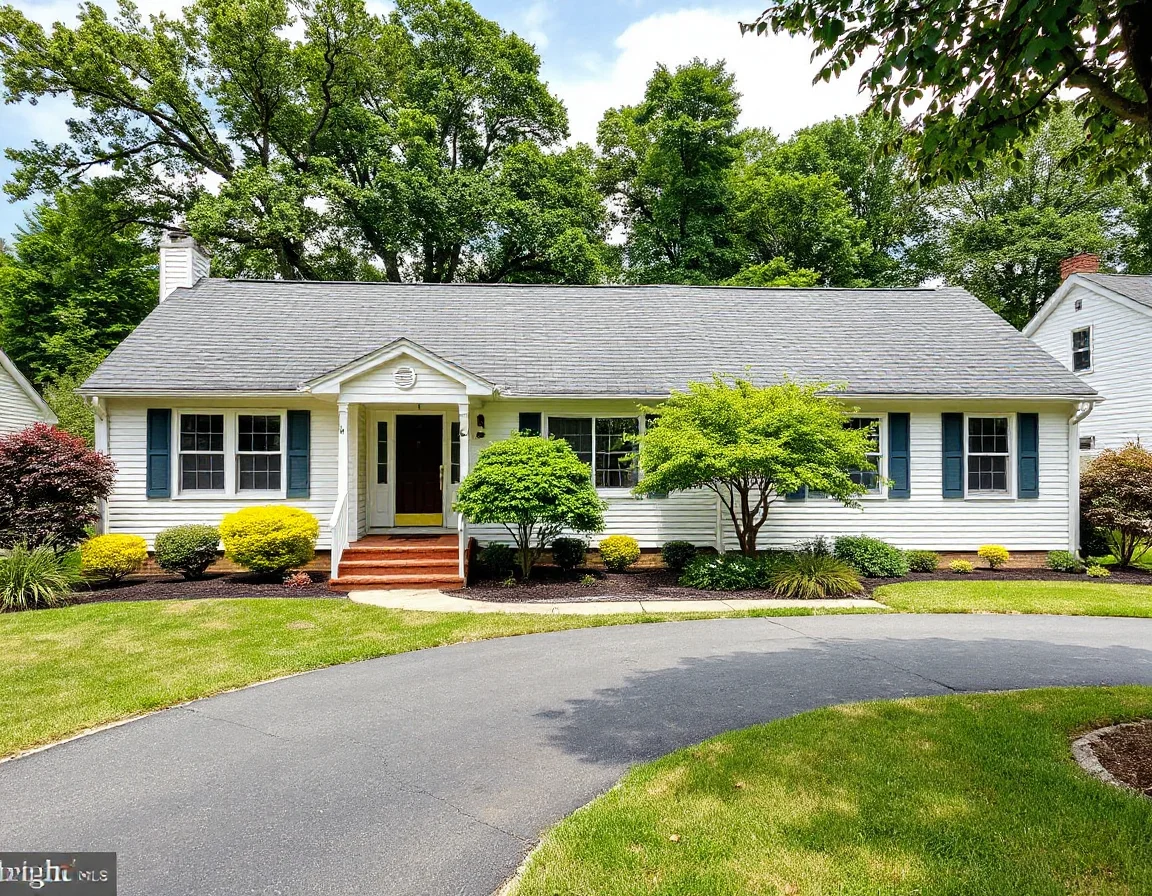
Across Warren County, inventory levels often shape the conversation first. When there are fewer homes available, buyers may see less room to negotiate, especially on listings that are updated, cleanly presented, and priced in line with current competition. On the other hand, when more listings begin to appear, sellers may need to focus harder on presentation, timing, and realistic pricing if they want to stand out.
Interest rates also matter, but not always in the way people expect. Higher borrowing costs can reduce some buyers’ monthly budgets, which may soften demand at certain price points. At the same time, limited inventory can continue to support values because there simply are not enough move-in-ready options available. In that kind of environment, price growth may not stop entirely, but it can become more selective.
In a market with uneven inventory, the best comparison is not just the last sale down the road—it is the most recent group of homes that matched condition, lot size, and buyer expectations.
For sellers, this means it is important not to overreact to one headline about rising prices. For buyers, it means the right opportunity may still exist even if average prices appear firm. The most useful approach is to look at the specific segment you are entering: entry-level homes, larger detached properties, homes with acreage, or lower-maintenance options each tend to move differently.
What Low Inventory Means for Buyers
When available listings are limited, buyers usually feel the pressure first. Fewer options can mean acting more quickly, refining priorities earlier, and being prepared for competition on homes that are especially well positioned. That does not mean every listing will receive multiple offers, but it does mean hesitation can be costly when a property is priced attractively and shows well.
One practical way to navigate a tighter market is to separate must-haves from preferences before touring homes. A buyer focused on commute patterns, lot size, room count, or renovation tolerance can make cleaner decisions when the right property appears. Without that clarity, it is easy to miss strong opportunities while waiting for a home that checks every box in a lower-inventory environment.
It is also smart to pay attention to the total monthly cost rather than purchase price alone. Taxes, insurance, utility expectations, and any immediate maintenance or updates all shape affordability. In Warren County, where housing styles and lot configurations vary, those ongoing costs can differ more than buyers initially assume.
Another key point: days on market can be misleading without context. A home that went under contract quickly may have been priced with precision and presented exceptionally well. A home that has lingered may signal room for negotiation, or it may simply reflect condition issues that require budgeting beyond the purchase price. Reading those details carefully is often where informed buyers gain an edge.
What Pricing Power Looks Like for Sellers
Sellers often hear that low inventory automatically means they can name any price, but buyers are still comparing value carefully. Homes that perform best are usually the ones that combine strategic pricing with strong presentation. Clean spaces, deferred maintenance addressed in advance, and professional marketing can matter just as much as the number of competing listings.

A common mistake in a constrained inventory market is assuming scarcity will overcome every objection. Buyers still notice dated finishes, awkward room flow, roof age, or visible maintenance concerns. If a home requires updates, pricing should reflect that reality. A listing that starts too high may lose momentum, and price reductions later can change how the market perceives it.
That is why preparation matters. Before listing, sellers should review recent comparable sales, active competition, and pending listings that reveal what buyers are accepting in real time. In many cases, the strongest outcome comes not from testing the top of the market, but from entering with a price that attracts serious traffic right away.
The first wave of buyer attention is often the strongest. Sellers who price accurately from day one usually create better leverage than those who plan to “come down later.”
Timing also plays a role. Seasonal shifts, local inventory levels, and buyer activity can all affect response. Even so, condition and pricing remain the two variables sellers control most directly. In Warren County, where buyers may compare homes across several nearby communities, a listing has to compete beyond its immediate street.
Why County Averages Only Tell Part of the Story
One of the biggest misunderstandings in real estate is the idea that a single average price describes every home in an area. Warren County includes a range of property types, from smaller homes with manageable lots to larger properties with more land, outbuildings, or rural settings. Those distinctions can create very different pricing patterns, even within the same month.
Condition is another major divider. Updated kitchens, newer systems, efficient layouts, and strong natural light often influence buyer response more than square footage alone. Two homes with similar bedroom counts can draw very different levels of interest depending on upkeep and presentation. That is why automated estimates and broad averages should always be treated cautiously.
Buyers should also watch for how concessions and repairs affect the final result. A sale price by itself does not always reveal whether a seller covered closing costs, completed repairs, or made other adjustments. Likewise, sellers should not assume a neighbor’s closed price applies directly to their own property without considering finish level, lot characteristics, and timing.

For that reason, the most helpful market analysis looks beyond averages and into patterns: how quickly homes are moving, where buyers are showing resistance, what condition standards are being rewarded, and which listings are generating the most activity. Those details help both sides make better decisions without relying on assumptions.
Anyone entering the market benefits from treating Warren County as a collection of micro-markets rather than one uniform landscape. That mindset leads to stronger pricing, clearer expectations, and better timing.
A Smarter Next Step for Buyers and Sellers
Whether you are buying or selling, the goal is not just to know where the market has been. It is to understand how current inventory, pricing trends, and buyer behavior affect your specific move. In Warren County, that means looking closely at property condition, location factors, monthly costs, and the available competition at the moment you act.
Buyers can benefit from staying financially prepared, watching new inventory closely, and evaluating value with a practical eye. Sellers can benefit from disciplined pricing, thoughtful preparation, and a plan that positions the home well from the start. In both cases, informed decisions usually outperform reactive ones.
If you want to move with more confidence, local context matters. County-wide numbers are useful, but the best strategy comes from matching those numbers to your price range, timeline, and property type. That is where market data becomes truly useful instead of just interesting.