
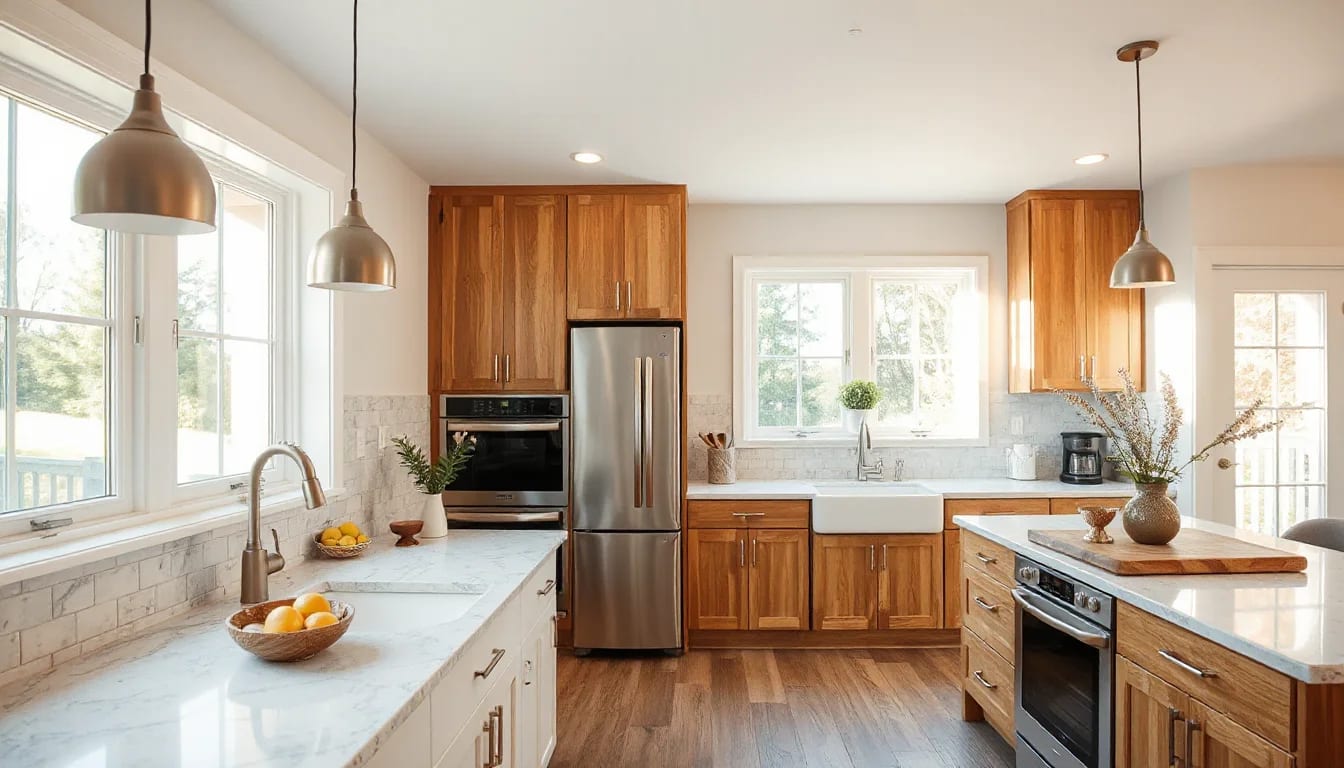
Some upgrades look impressive but do very little for resale, while a few well-chosen projects can sharpen buyer interest and help a home feel more market-ready. In Sussex County, the strongest value often comes from improvements that make a property feel clean, bright, well-maintained, and easy to picture living in. If you are weighing where to spend before listing—or simply planning updates you can enjoy now—this guide focuses on practical changes with broad appeal.
Start With the Upgrades Buyers Notice First
When homeowners think about adding value, it is easy to jump straight to major remodels. In reality, many of the best returns come from the basics done exceptionally well. A fresh coat of neutral paint, updated lighting, repaired trim, clean flooring, and refreshed landscaping can completely change how a property is perceived online and in person. Those details shape first impressions before anyone starts comparing square footage, storage, or layout.
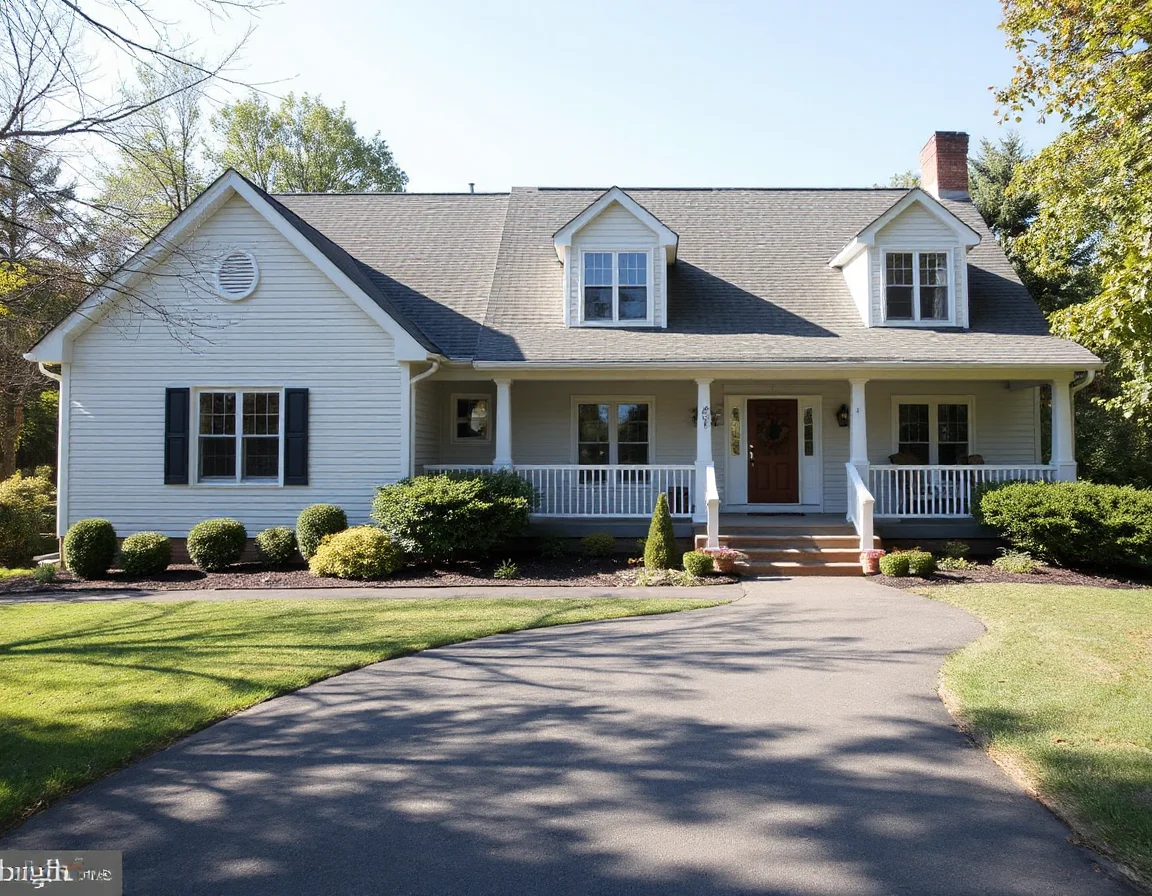
In Sussex County, curb appeal matters because many homes sit on larger lots, have visible front elevations, or include outdoor features that become part of the value story. If the front entry looks worn, shrubs are overgrown, or the driveway edges are neglected, buyers may assume bigger maintenance items have also been deferred. On the other hand, crisp mulch lines, a pressure-washed walkway, and a freshly painted front door suggest ongoing care.
Inside, lighting is one of the most overlooked value upgrades. Replacing dated fixtures, switching to warm bright bulbs, and opening window treatments can make rooms feel larger and more current without changing the footprint. If a space photographs dark, heavy, or cluttered, the listing may lose momentum before a showing is even scheduled.
If your budget is limited, prioritize what appears in the first five listing photos: front exterior, entry, kitchen, main living area, and primary bath. Those images often do the most work in generating showing activity.
Another smart early move is taking care of visible deferred maintenance. Dripping faucets, loose handles, cracked caulk, chipped paint, and scuffed baseboards are relatively inexpensive to fix, but they create mental deductions for buyers. Even when those deductions are not formal, they can affect the tone of offers and the number of repair questions that come up later.
Focus Kitchen and Bath Spending Where It Counts
Kitchen and bathroom updates usually draw attention because they are high-use spaces and expensive to renovate from scratch. But that does not mean every seller should launch a full remodel. In many cases, targeted improvements outperform a complete tear-out, especially if the existing layout works and cabinetry is still serviceable.
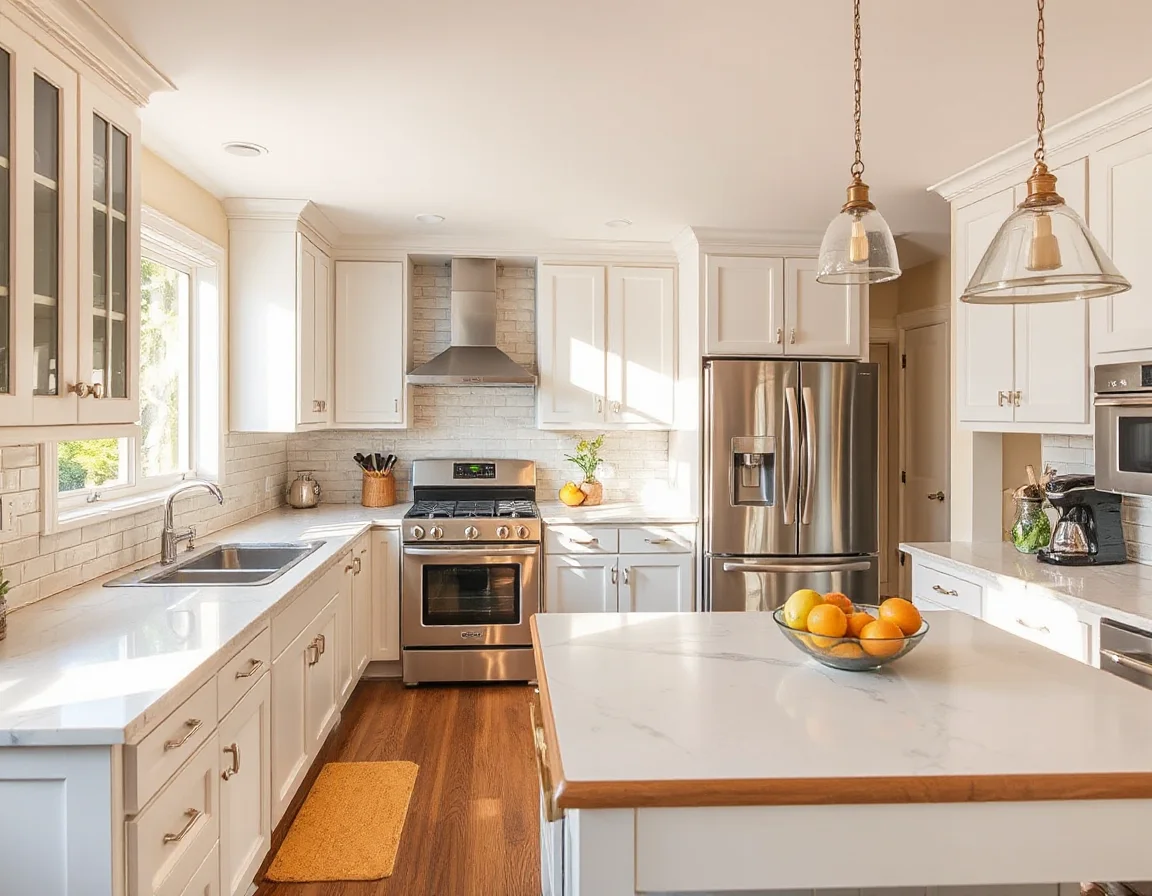
Painting cabinets, replacing worn hardware, adding a simple backsplash, updating faucets, and installing new light fixtures can lift the overall feel dramatically. If countertops are badly dated or damaged, replacing them may be worthwhile, particularly when the kitchen is otherwise in solid condition. The goal is not to create a luxury showpiece unless the home and price point clearly support it. The goal is to make the room feel clean, functional, and current.
Bathrooms follow a similar pattern. New mirrors, lighting, vanity hardware, fresh grout, resealed tub edges, updated faucets, and neutral paint can make a bath feel significantly newer. Replacing a vanity top or an older toilet may also be a sensible investment if the existing fixtures look tired. Buyers tend to respond well to spaces that feel bright and cared for, even if the finishes are not custom.
One thing to watch: highly personalized selections can narrow appeal. Bold tile, unusual colors, or trend-heavy materials may not return what they cost. Broadly appealing finishes usually perform better because they let more buyers picture how the room could work with their own style.
A partial kitchen or bath refresh often delivers better cost control than a full remodel completed just before listing. If the layout stays the same, timelines are usually shorter and the home can hit the market with less disruption.
See what your home may be worth
Do Not Overlook Flooring, Paint, and Mechanical Confidence
Cosmetic upgrades catch the eye, but practical condition supports the sale. Flooring is a prime example. If carpet is heavily worn, stained, or carrying odors, replacement is often money well spent. If hardwood exists beneath older finishes, refinishing may bring the room back to life. Consistent flooring from one main area to another can also make a home feel more cohesive.
Paint remains one of the strongest low-cost improvements available. Neutral tones help brighten rooms, reduce visual distractions, and photograph well. That does not mean every wall must be stark white; soft warm neutrals can make a home feel inviting while still giving buyers a clean visual starting point. Touch-up work alone is rarely enough if walls show years of patching, fading, or color changes from room to room.
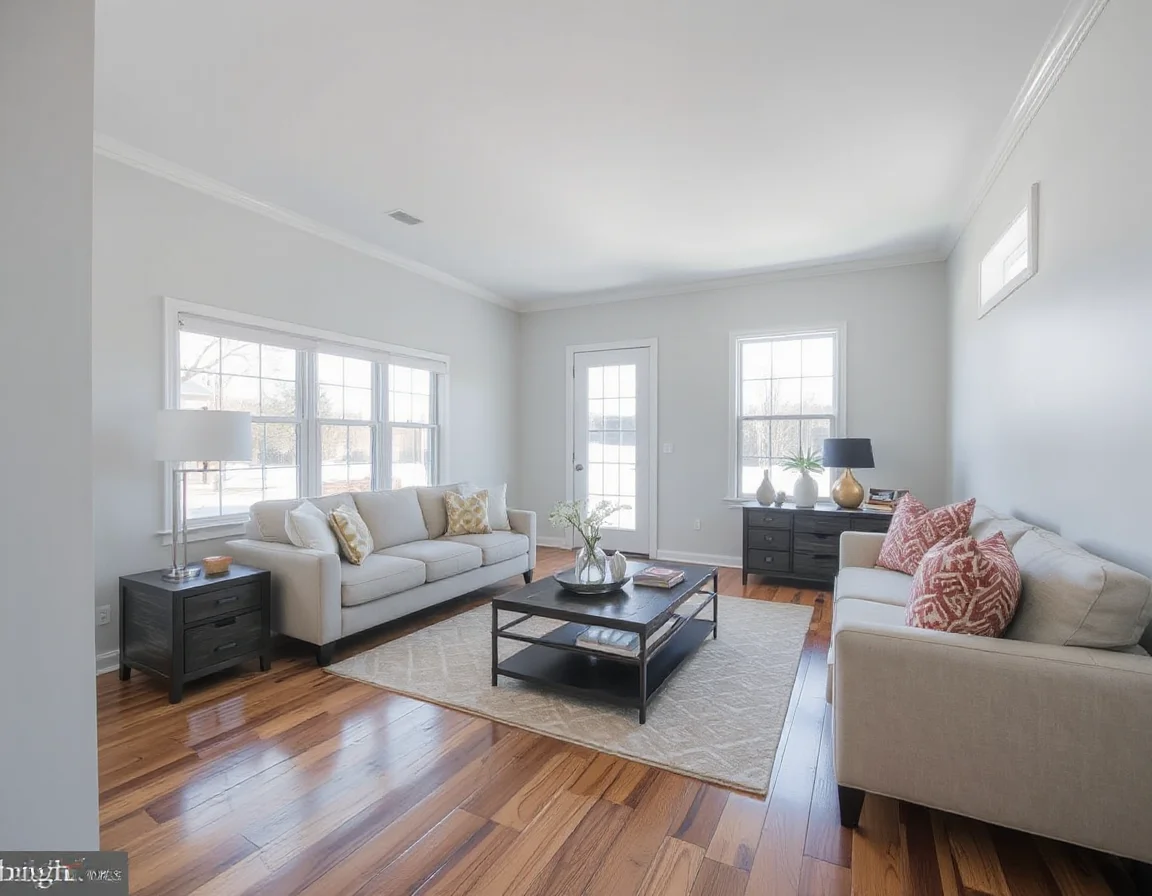
Then there is the category that may not photograph dramatically but can still influence value: mechanical systems. Serviced HVAC equipment, a well-maintained roof, functioning windows, and updated water-related systems can provide reassurance during showings and inspections. Buyers may not pay dollar-for-dollar for every behind-the-scenes improvement, but uncertainty about those items can absolutely affect negotiations.
For homeowners not selling immediately, this is where long-term thinking matters. Replacing systems only when they fail can force rushed decisions and higher stress. Making strategic updates over time allows you to enjoy the improvements now and present a more complete maintenance record later. Even if your move is still a year or two away, planning ahead can reduce last-minute spending.
Energy efficiency can also be part of the conversation when it is framed objectively. Sealed windows, added insulation, programmable thermostats, and newer appliances may help reduce operating costs and improve comfort. They are rarely flashy, but they support the impression of a house that has been thoughtfully maintained.
Match the Upgrade Level to the Home and the Market
One of the most important pricing and preparation mistakes sellers make is over-improving for the surrounding market. A top-tier renovation in a setting where buyers are comparing more modest finish levels may not deliver the return expected. Before spending heavily, it helps to compare recent listings and sales with similar size, style, condition, and lot characteristics. The right upgrade strategy depends on what buyers are already seeing at your likely price point.
That is especially relevant in Sussex County, where housing stock can vary widely from town to town and from one road to the next. Some properties benefit most from emphasizing land, views, garages, flexible space, or outdoor living. Others need a simpler path: paint, repairs, staging, and a cleaner presentation. The best plan is rarely “upgrade everything.” It is usually “improve the items that remove hesitation and highlight the home’s strongest features.”
If you are unsure where to begin, walk through your property as if you were seeing it online for the first time. What looks dated? What looks unfinished? What feels dark, crowded, or under-maintained? Those questions often reveal where a modest budget can have the biggest effect.
Talk through your pre-listing update plan
For homeowners staying put, the same principles still apply. Choose projects that improve daily use, preserve condition, and align with the home’s long-term value rather than chasing every trend. Practical updates done well tend to age better, support future resale, and make the home more enjoyable in the meantime.
In the end, the best-value upgrades are not always the most expensive ones. They are the ones that make a property feel cared for, move-in ready, and easy to understand the moment a buyer steps through the door—or sees the first photo online. Thoughtful preparation can strengthen both marketability and confidence, whether your next move is coming soon or still a little farther down the road.