
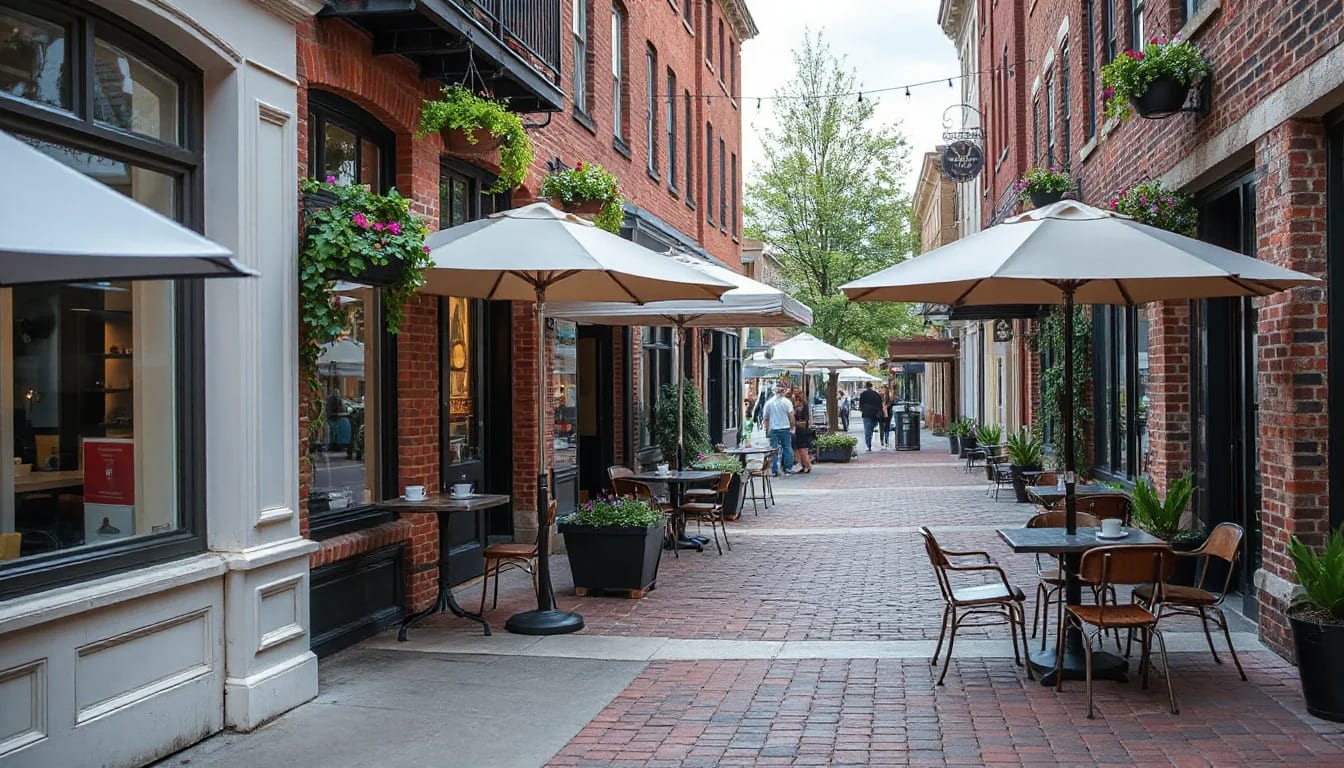
Sussex County offers a distinctive mix of walkable town centers, recreation-focused open space, and practical road connections that shape how people search for a home. From local parks and village-style business districts to routes that link the county with Morris County, Warren County, and beyond, the details of everyday movement matter just as much as square footage. This guide breaks down what to notice when comparing locations across the county so you can match a property search to the way you actually live.
How parks, town centers, and roads shape daily life in Sussex County
Set in the northwestern corner of New Jersey, Sussex County has a rhythm that feels different from more densely built parts of the state. Here, the appeal often comes from variety: one area may offer quick access to trails, lakes, and open land, while another may stand out for a compact main street, local services, and an easier drive to neighboring employment hubs. For buyers, that means the right fit is rarely just about the house itself. It is also about how easily you can get to groceries, recreation, dining, schools, and the routes you use most often.
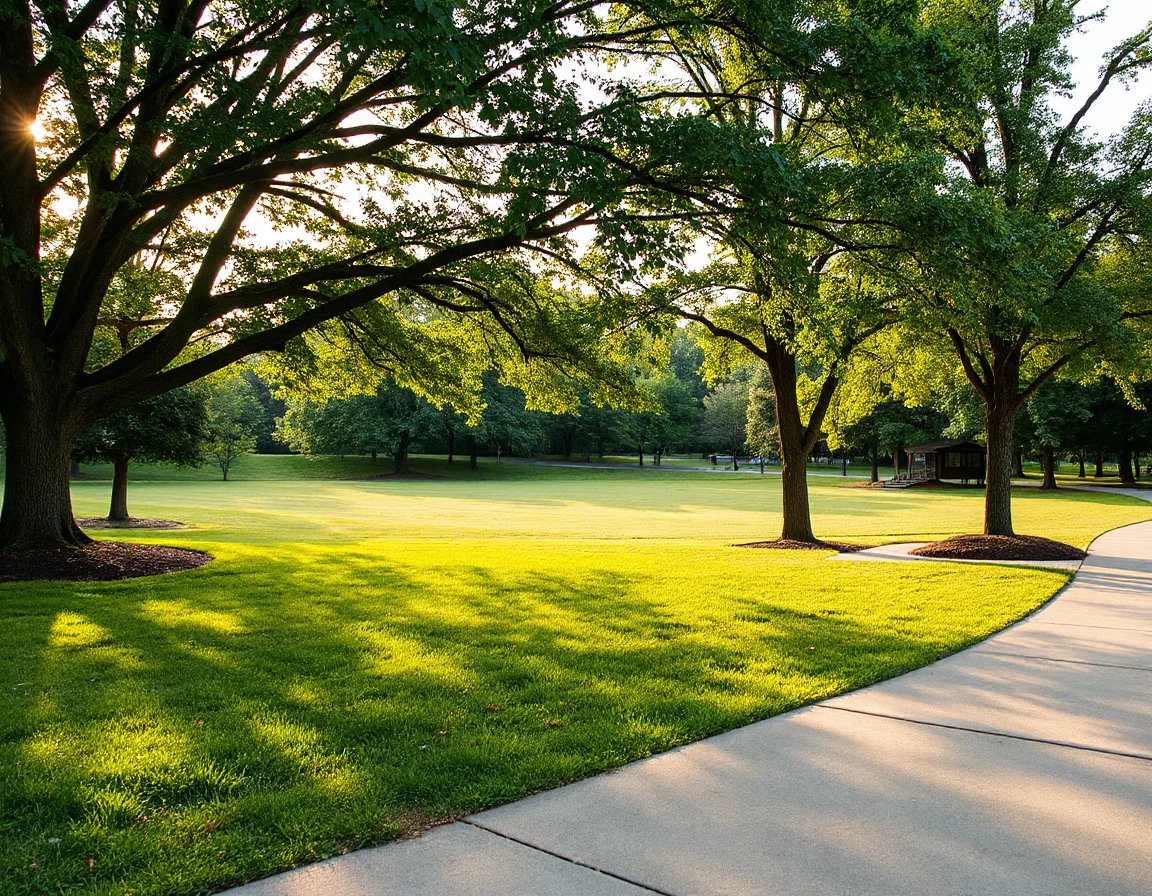
Many of the county’s towns balance scenic surroundings with practical convenience. In places such as Newton, Sparta, Hamburg, Franklin, and Vernon, people often compare not only home styles and lot sizes, but also whether they prefer a more compact center with errands close together or a setting with more distance between destinations. A neighborhood near a park or trailhead may feel completely different from one that offers faster access to Route 15 or Route 206, even when both are only a short drive apart.
That combination of recreation and mobility is one reason Sussex County attracts steady interest. Public green space, lake areas, and seasonal scenery add visual appeal, but the road network is what turns those amenities into part of an everyday routine. When evaluating locations, it helps to think through where you spend time each week and how often you want a drive to include local roads, regional highways, or a stop in a nearby town center.
A useful home-search shortcut is to map your three most frequent weekly destinations before comparing listings. In Sussex County, a property that looks similar on paper can feel very different once drive patterns and road access are factored in.
Parks and open space are a major part of the county’s appeal
Outdoor access is one of the clearest themes across Sussex County. Residents and visitors know the area for parks, trail systems, lake recreation, and seasonal scenery that changes the feel of the landscape throughout the year. That matters in real estate because nearby recreation can influence how a property is used day to day. A home close to walking paths, fishing areas, or winter recreation may offer a different lifestyle pattern than one centered more closely around a town core.
Large destinations like High Point State Park, Stokes State Forest, and the Kittatinny region give the county a strong recreational identity, while smaller local parks add convenience at the neighborhood level. In some communities, a nearby green space becomes an easy option for a short walk, an afternoon outdoors, or a change of pace after work. In others, larger recreation areas support weekend routines built around hiking, paddling, skiing, or simply enjoying the scenery.
Buyers should look beyond the phrase “near parks” and ask more specific questions. Is the nearby space best suited to quiet walking trails, athletic fields, lake access, or broader natural views? How much seasonal traffic does a recreation area draw? Is access easy from the property, or does it require a more involved drive? Those details help turn a general amenity into something genuinely useful for your household.
Main streets and local hubs create a different kind of convenience
Not every Sussex County search begins with acreage or trail access. For many buyers, the real draw is a location near a functional town center where errands, casual dining, services, and community events are easier to reach. That is where the county’s main streets and village-style business districts come into focus. They are not all the same, and each creates a distinct sense of place.
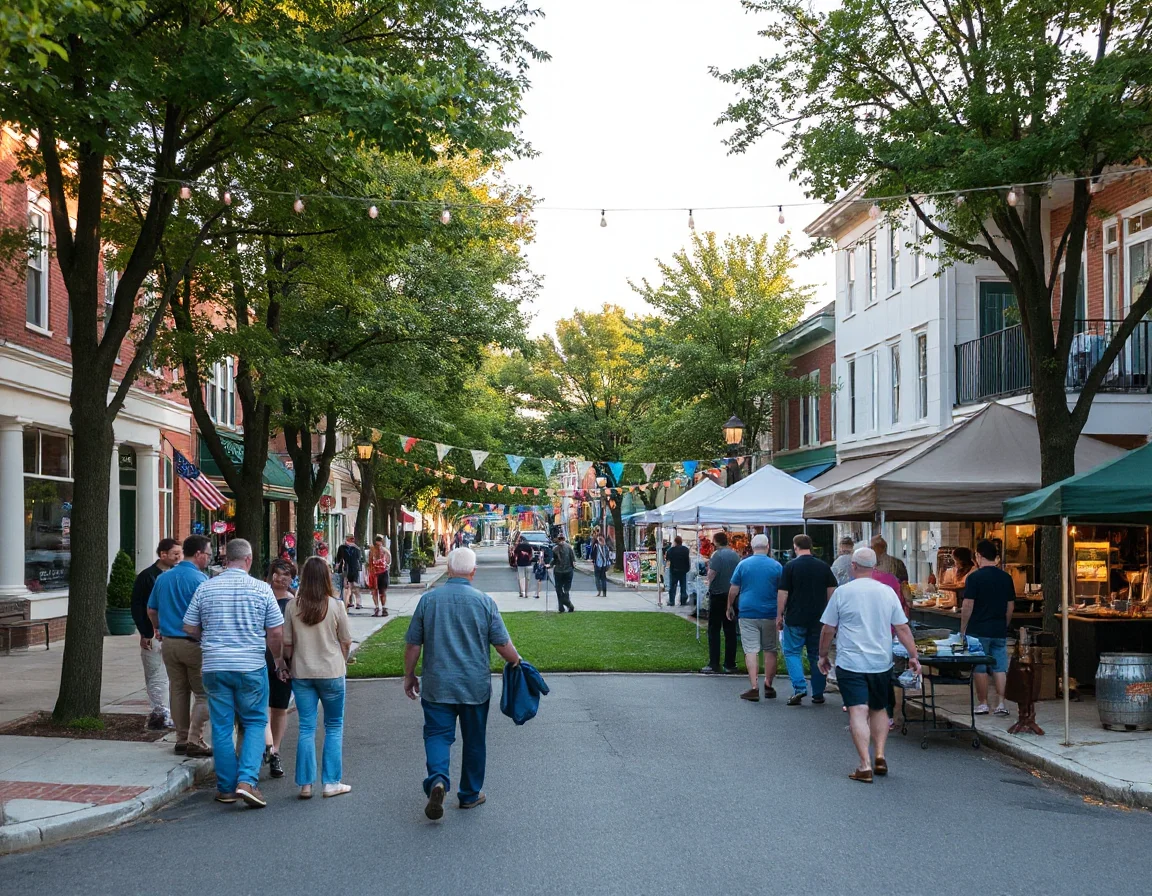
Newton, for example, functions as a county hub with civic services, local businesses, and a more established center. Sparta offers a mix of regional convenience and neighborhood-scale destinations. Smaller boroughs and town centers across the county may have a more intimate footprint, but they can still be meaningful for daily routines. Being able to make several stops in one area, instead of driving from place to place, changes how convenient a location feels over time.
In real estate terms, proximity to a main street can appeal for several reasons. Some buyers appreciate the character of older homes in established neighborhoods near town centers. Others prefer newer housing farther out but still want a manageable drive to local amenities. Neither option is inherently better; the key is to decide whether your priority is quick access to activity and services or a more tucked-away setting with a different pace.
It is also worth noting that “walkable” can mean different things depending on the town. In one place it may mean sidewalks and close-set blocks, while in another it may simply mean a short, straightforward trip to a few frequently used destinations. Comparing those patterns in person can be far more revealing than reading a map alone.
Two locations with the same drive time to a town center can feel very different if one route is direct and the other involves winding local roads. A short test drive at the time of day you would typically travel can be surprisingly helpful.
Commute routes matter more here than buyers sometimes expect
Because Sussex County covers a broad area with varied terrain, commute planning is often one of the most important pieces of a home search. Route 15 is a major connector for many households, particularly for travel toward Sparta, Jefferson, and Morris County. Route 206 serves as another important north-south corridor, while County Route 565 and a network of local roads link smaller communities throughout the region. Depending on the town, access to Interstate 80 in neighboring areas may also shape travel patterns.
What makes the county different is that mileage alone does not tell the full story. A property that appears close to a destination may still require extra time because of road type, topography, or the sequence of turns needed to reach a main route. Seasonal weather can also be a consideration, especially in higher-elevation areas where road conditions may influence winter driving more than buyers relocating from other parts of New Jersey initially expect.
For that reason, commuting from Sussex County is often about choosing the right corridor as much as choosing the right town. Some buyers prioritize easier access to Morris County employment centers. Others need efficient travel toward Warren County, Passaic County, or points farther south and east. Knowing your likely route before narrowing your search can help you avoid falling in love with a home that does not fit your weekly logistics.
What to compare when narrowing down neighborhoods and homes
Once you have identified a few towns of interest, it helps to compare them through a practical lens. Start with frequency: how often will you use parks, town services, shopping areas, and regional roads? Then look at proximity: is the home close enough to make those assets convenient, or will they become occasional destinations instead of part of daily life? Finally, consider feel: do you want a busier local hub, a scenic road approach, a neighborhood near lake or mountain recreation, or a setting that keeps multiple options within a short drive?
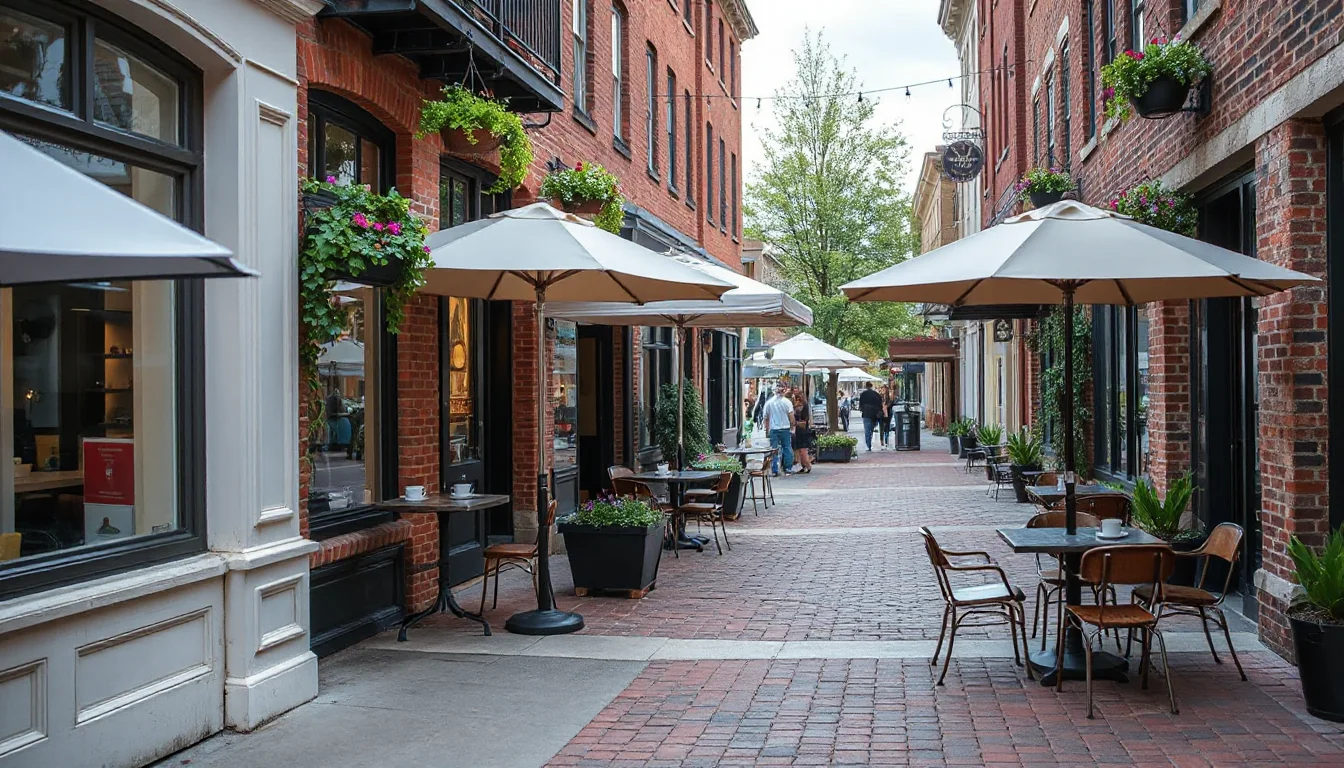
Home searches in Sussex County tend to work best when they balance emotion with routine. A beautiful setting can be a strong draw, and so can the charm of a town center, but the best long-term match usually comes from understanding how those features support your actual schedule. The county gives buyers a wide range of possibilities, from homes near established centers to properties with quick access to open space and major roads.
That is what makes the area compelling. You are not choosing only between one style of community and another; you are choosing how you want convenience, scenery, recreation, and mobility to fit together. With a little advance planning, it becomes much easier to spot the locations that align with your priorities and move forward with confidence.