

A dry basement can support a more confident resale conversation, but the most valuable waterproofing work starts with a correct diagnosis—not a quick cosmetic cover-up. In Sussex County, New Jersey, documenting drainage improvements, repairs, permits, and maintenance can help future buyers understand exactly what was done and why.
Start With Water’s Path, Not the Basement Walls
Basement moisture is often treated as an indoor problem, yet the source usually begins outside. In Sussex County, New Jersey, changing grades, wooded lots, older drainage systems, seasonal snowmelt, and heavy rain can all move water toward a foundation. Before choosing a waterproofing product, it is useful to look at the entire path water takes from the roofline to the soil and then toward or away from the house.

Begin with the practical basics: gutters should be clear, downspouts should carry runoff away from the foundation, and soil should slope away from the house where feasible. A damaged splash block or a downspout that empties beside a basement wall may look minor, but it can repeatedly saturate the same area. Correcting these exterior details can sometimes reduce moisture before a more extensive interior project is necessary.
It is also wise to distinguish between condensation, intermittent seepage, and active water entry. Condensation may appear when humid air meets cool surfaces. Seepage often follows prolonged rain or snowmelt. Active water entry can point to drainage pressure, cracks, window-well issues, or a failed component in a sump system. Notes about when and where moisture appears give contractors a clearer starting point and help owners avoid paying for work that does not address the actual cause.
A waterproofing estimate is most useful when it explains the water source, the proposed fix, and how the system will be maintained—not simply the material being installed.
For resale planning, visible symptoms deserve attention even if the basement is unfinished. Musty odors, peeling paint, efflorescence on masonry, warped trim, or stored items elevated on blocks can lead buyers to ask understandable questions during a showing. Addressing the condition early gives an owner time to evaluate solutions, complete the work thoughtfully, and retain records instead of making rushed decisions shortly before listing.
Choose Repairs That Match the Condition
There is no single “best” basement waterproofing project for every Sussex County property. The right scope depends on the home’s age, foundation type, lot drainage, existing systems, and the pattern of moisture. A qualified waterproofing professional can assess whether the priority is exterior grading, crack repair, a sump pump, an interior drainage channel, window-well drainage, or a combination of measures.
Exterior improvements are often the least disruptive place to begin. Regrading, extending downspouts, repairing gutters, and managing runoff can help reduce the amount of water reaching the foundation. For some homes, especially where water pools near a wall after rain, these corrections can be an important first layer of protection. If excavation is recommended, ask how landscaping, hardscape, utility lines, and drainage discharge will be handled once the project is complete.
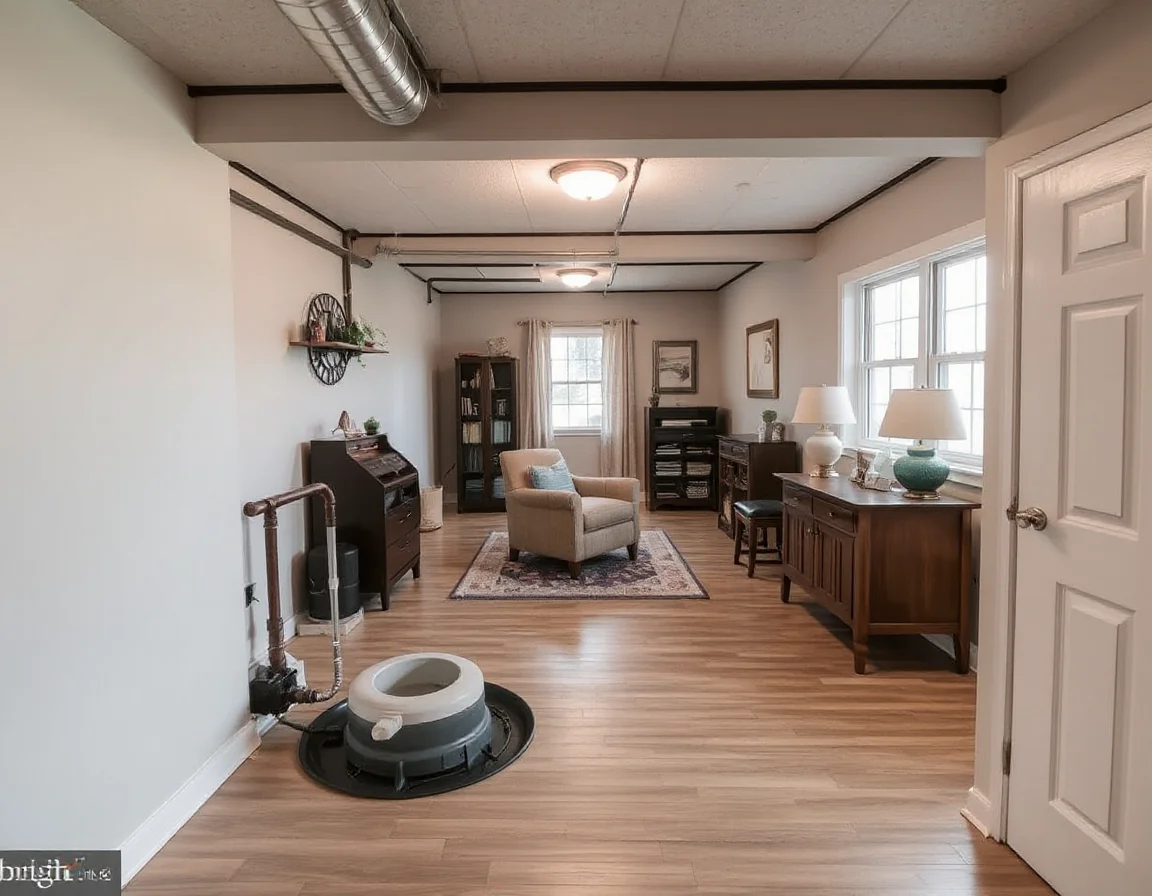
Interior drainage systems may be considered when water pressure is persistent or when exterior access is limited. These systems commonly direct water to a sump basin, where a pump moves it away from the home. A sump pump should be evaluated as a system rather than a stand-alone device: the basin, discharge line, check valve, electrical supply, and backup options all matter. If the pump runs frequently during storms, regular inspection and testing become part of responsible home maintenance.
Crack repairs also have a role, particularly when moisture consistently enters through a specific foundation crack. The repair method should fit the crack’s location and condition. A surface patch can improve appearance but may not address movement or water pressure behind the wall. Ask the contractor to explain the expected result, any warranty terms, and whether the repair is intended to stop water entry, stabilize a crack, or both.
For projects that may require permits or inspections, confirm requirements with the appropriate Sussex County, New Jersey municipality before work begins. Requirements can vary by location and project scope. Keeping written proposals, receipts, product information, inspection records, and any permit documentation creates a more complete story for future buyers and their inspectors.
Discover how much your house is worth
Document the Work as Carefully as You Complete It
Waterproofing can protect resale value when the result is both functional and understandable. Buyers do not necessarily expect an older home to have a brand-new foundation, but they often appreciate evidence that an issue was identified, professionally evaluated, and addressed with an appropriate solution. Clear documentation can turn an uncertain basement conversation into a straightforward one.
A helpful project file can include before-and-after photographs, the contractor’s scope of work, proof of payment, warranty information, permit records where applicable, and instructions for routine care. If landscaping or grading was changed, photos taken before plantings mature can be particularly useful. They show the intended slope and drainage layout without requiring a buyer to guess what lies beneath the surface.
Do not overlook simple maintenance records. A note showing when gutters were cleaned, a sump pump was tested, or a backup battery was replaced can reinforce that a system has been actively cared for. If a basement has remained dry through substantial rain events after the repair, an owner may share that experience factually while avoiding guarantees about future weather conditions.
Receipts matter, but photographs and a plain-language explanation of the repair often make the work easier for a buyer to understand during inspections and negotiations.
It is equally important not to hide a past moisture issue behind new paint, flooring, or finished walls. Finishing a basement can add useful living space, but it should follow—not substitute for—water management. If interior finishes are planned, select materials appropriate for below-grade conditions and ensure that access to mechanical equipment, cleanouts, and sump components remains practical.
Prepare for a Clear Resale Conversation
When it is time to sell, disclosure requirements and local practices should be discussed with a real estate professional and, when needed, an attorney or other qualified adviser. The goal is not to create alarm; it is to provide accurate information. A concise explanation of the prior condition, the repair completed, and the documentation available can help set expectations before an inspection brings the topic forward.
Presentation still matters. Keep the basement clean, well lit, and accessible for showings. Remove stored belongings from around the foundation walls, mechanical equipment, and sump area. If a dehumidifier is used as part of routine moisture control, empty it before showings and keep its purpose clear. A tidy space helps visitors observe the condition of the basement rather than being distracted by clutter.
For owners considering a sale in the near future, it can be useful to schedule waterproofing assessments before making broader renovation decisions. This sequence helps protect new flooring, drywall, or storage improvements from a problem that could have been resolved first. It also gives time to compare proposals and select a scope based on the property’s actual needs rather than a compressed listing deadline.
Thoughtful basement waterproofing is ultimately a stewardship project. By directing water away from the home, repairing issues with the right method, maintaining the system, and keeping a clear record, Sussex County property owners can support their home’s condition and make future resale discussions more transparent.
Talk with Valerie O'Farrell about preparing your home for sale