

Morris County pricing decisions are rarely just about bedroom count or a list price. Commute routes, rail access, remote-work schedules, and the number of comparable homes available can all shape how buyers evaluate a property. Understanding those connections helps sellers prepare a more focused launch and helps buyers compare homes with clearer expectations.
Why Commute Patterns Matter in Morris County
Morris County offers a broad mix of housing settings, from walkable rail-served communities to quieter residential areas connected by major roadways. That variety gives home buyers meaningful choices, but it also means that commute considerations can affect how one property is compared with another. A home’s location relative to a train station, highway access point, workplace hub, or frequently used destination may be part of the overall value conversation.

For some buyers, direct rail service on NJ Transit’s Morris & Essex lines or access to stations along nearby routes can be a central practical feature. Communities such as Morristown, Madison, Chatham, Summit, Dover, and Denville are often part of the discussion when a rail commute is important. Travel times can vary by train schedule, service pattern, station parking availability, transfer needs, and final destination, so it is wise to review the current timetable rather than relying on a general estimate.
Road travel matters just as much. Routes including I-287, I-80, Routes 10, 24, 46, and 202 connect different parts of the county to employment centers throughout northern New Jersey and beyond. Yet a mileage number alone does not tell the whole story. Morning and evening traffic, weather, construction, school-year schedules, and the time of day can all change a routine drive. Buyers often benefit from testing a prospective route at the times they expect to use it.
A useful property comparison includes the home itself, the travel routine it supports, and the cost and time involved in that routine. Two homes with similar layouts can feel very different once a weekly schedule is mapped out.
Remote and hybrid work have added another layer to the decision. A dedicated office, flexible den, finished lower level, reliable room separation, or adaptable guest space may carry more weight for a buyer who works from home several days each week. That does not make commute access irrelevant; it simply broadens the lens. A strong pricing strategy recognizes which features are most likely to matter in the property’s immediate competitive set.
Inventory Sets the Stage for Pricing
Inventory is the number of homes actively available for sale at a given time, and it is one of the most useful indicators for interpreting local market conditions. When there are relatively few comparable homes available, buyers may spend more time monitoring new listings and sellers may face less direct competition. When choices expand, condition, presentation, location details, and pricing discipline become even more important.
Countywide headlines are helpful, but Morris County is not one uniform market. A condominium near a transit-oriented center, a townhome with low-maintenance features, a historic property near a village core, and a larger home on a more private lot may draw different groups of interested buyers. Their relevant inventory is not every listing in the county; it is the smaller collection of homes that offer a similar price range, property type, condition, and location profile.
That is why an active-listing review should be paired with pending and recently closed sales. Active listings show the choices buyers can see today. Pending sales can signal which price points and features are attracting accepted offers. Closed sales provide evidence of where transactions actually completed, although their relevance declines as market conditions change. Looking at all three groups creates a more useful picture than focusing on one especially high or low sale.
Seasonality can also influence inventory. Spring often brings fresh listings and heightened attention, while late summer, year-end holidays, and severe weather periods can alter showing patterns. These shifts do not automatically dictate the “right” time to list or buy. Instead, they help set expectations about competition, preparation time, and how quickly a seller may need to respond to new comparable listings.
Pricing Is a Positioning Decision, Not a Guess
A list price is a communication tool. It tells the market where a property sits among available alternatives, and it needs to be supported by current evidence. The most effective approach begins with comparable sales, then adjusts for meaningful differences such as lot utility, renovation quality, condition, finished space, parking, outdoor areas, homeowner association costs, and proximity to transportation or community amenities.
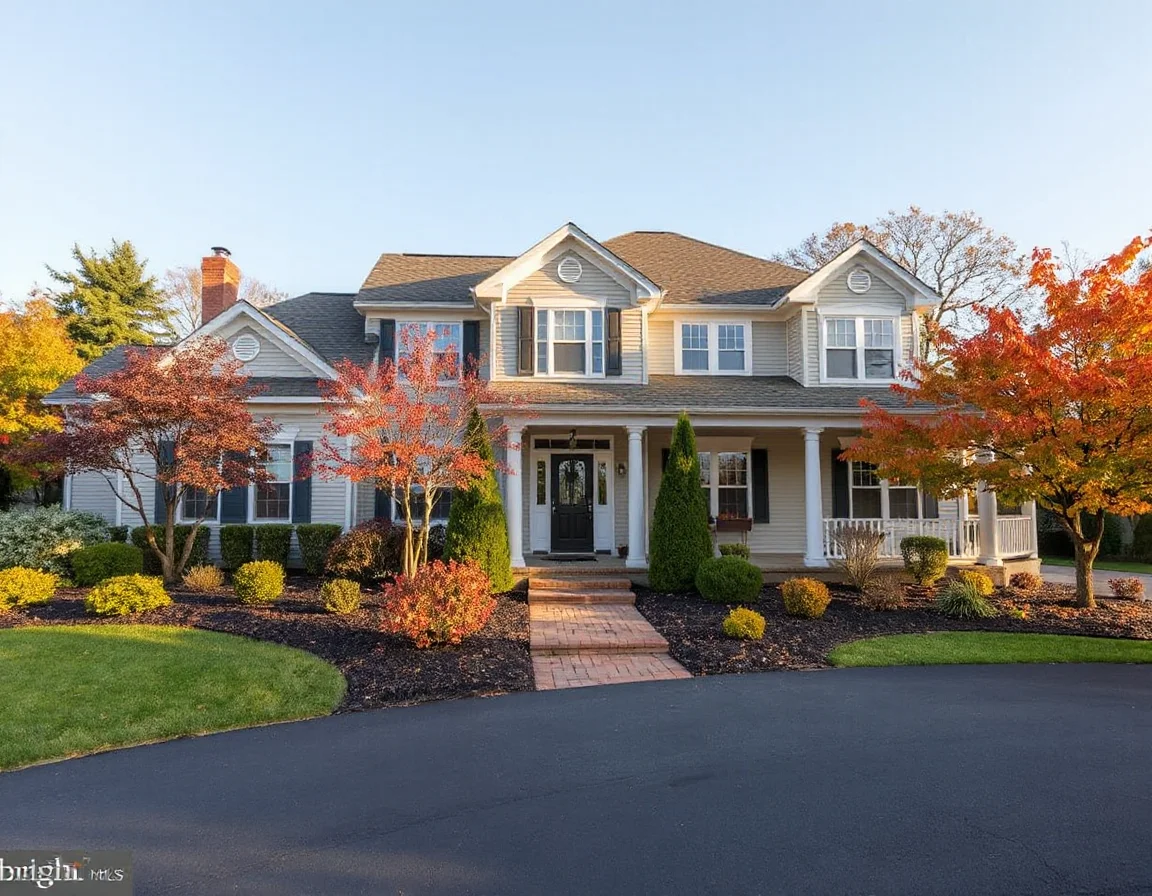
Condition deserves particularly careful attention. Buyers often distinguish between a home that is move-in ready, one with cosmetic updates to consider, and one requiring substantial work. Sellers do not necessarily need to complete every possible improvement before listing, but they should understand how visible deferred maintenance, dated systems, or incomplete projects may affect both price and buyer confidence. A pre-listing walkthrough can help separate high-impact preparation from projects unlikely to produce a practical return.
Presentation supports pricing, but it cannot replace it. Clean spaces, accurate photography, clear room function, and thoughtful staging help buyers understand the home quickly. Those details are especially valuable when the market is busy and buyers are comparing several properties in a short window. Still, the property must remain competitive after a buyer considers the monthly payment, taxes, insurance, maintenance expectations, and any association fees.
For buyers, a disciplined comparison process can prevent a listing price from becoming the only number that matters. Consider the full ownership picture, including likely repairs, commuting costs, utility patterns, and potential future improvements. A lower-priced home with significant deferred work may not be a better value than a well-maintained option with a higher asking price. Conversely, a premium should be examined carefully to confirm that the location and features justify it against recent sales.
How to Read the Market Before Making a Move
Start with a narrow search area and expand only when it serves your priorities. For example, a buyer may compare homes based on a preferred commute route, access to a rail station, outdoor space, property type, or a target monthly budget. Sellers can use the same logic in reverse: identify the homes buyers will see as alternatives and make sure the list price reflects that real-world comparison.
It is also helpful to revisit the analysis close to the decision date. New listings, price adjustments, accepted offers, interest-rate changes, and shifting seasonal demand can all affect the conversation. Real estate conditions are local and fluid, which makes a current review more valuable than a report from several months earlier.
The strongest pricing decisions are specific: they compare a property with the homes buyers are likely to tour in the same week, not simply with the highest sale in a broad area.
Whether you are preparing to sell or sorting through options to purchase, clarity comes from connecting the practical details. Commute patterns reveal how a location may function day to day. Inventory reveals the level of competition. Comparable sales and current listings reveal how the market is defining value. Put together, those factors create a more confident path from first search to final decision.