
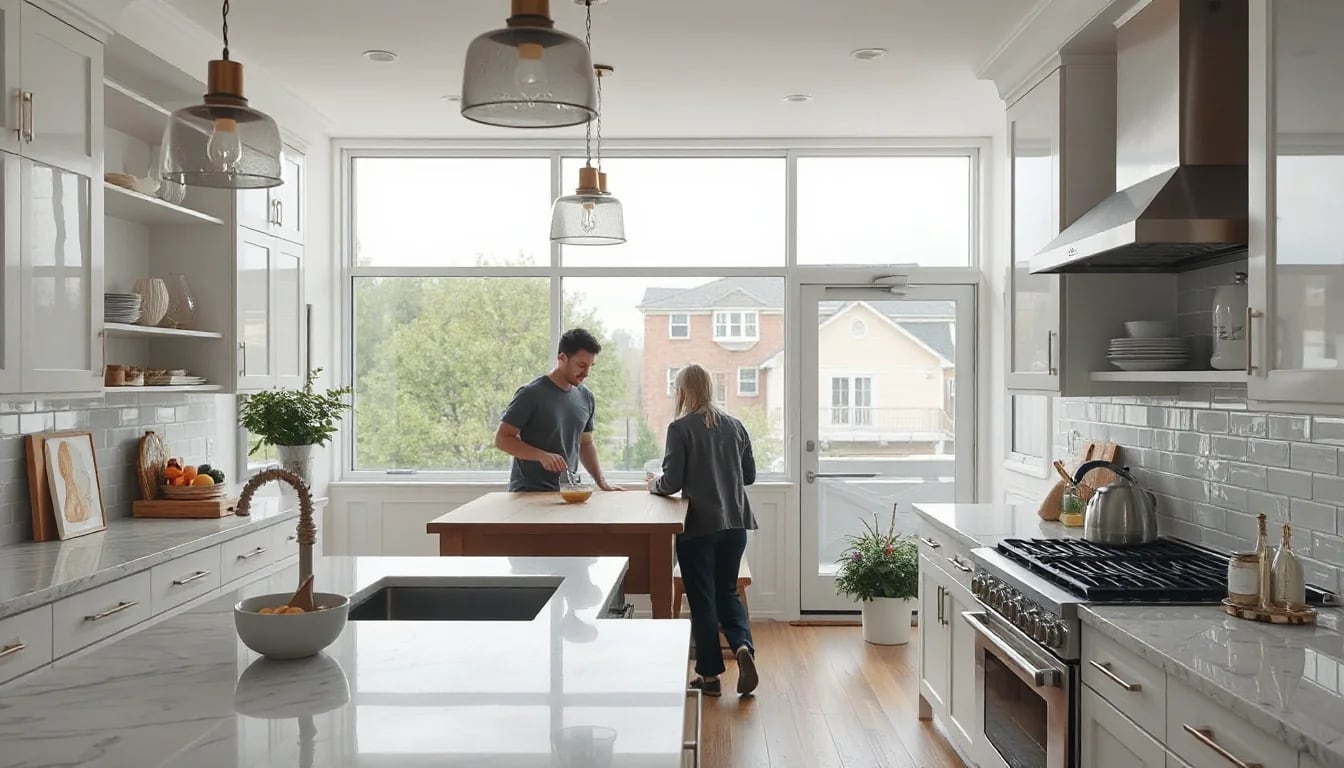
The best kitchen upgrades make ordinary routines easier while presenting a home as cared for and current when it is time to sell. In Morris County, a thoughtful plan usually outperforms an overly elaborate renovation: prioritize storage, lighting, durable surfaces, and a layout that works well every day. The goal is a kitchen that feels useful now and broadly appealing later.
Start With the Way the Kitchen Actually Works
A kitchen renovation can become expensive quickly, so the most valuable first step is not choosing a backsplash or paint color. It is noticing where daily use breaks down. Maybe there is nowhere to set groceries near the door, the refrigerator interrupts the prep area, pans are stacked in an awkward corner cabinet, or the room has only one harsh ceiling light. Those small frustrations are often the clearest roadmap for an upgrade that will matter.
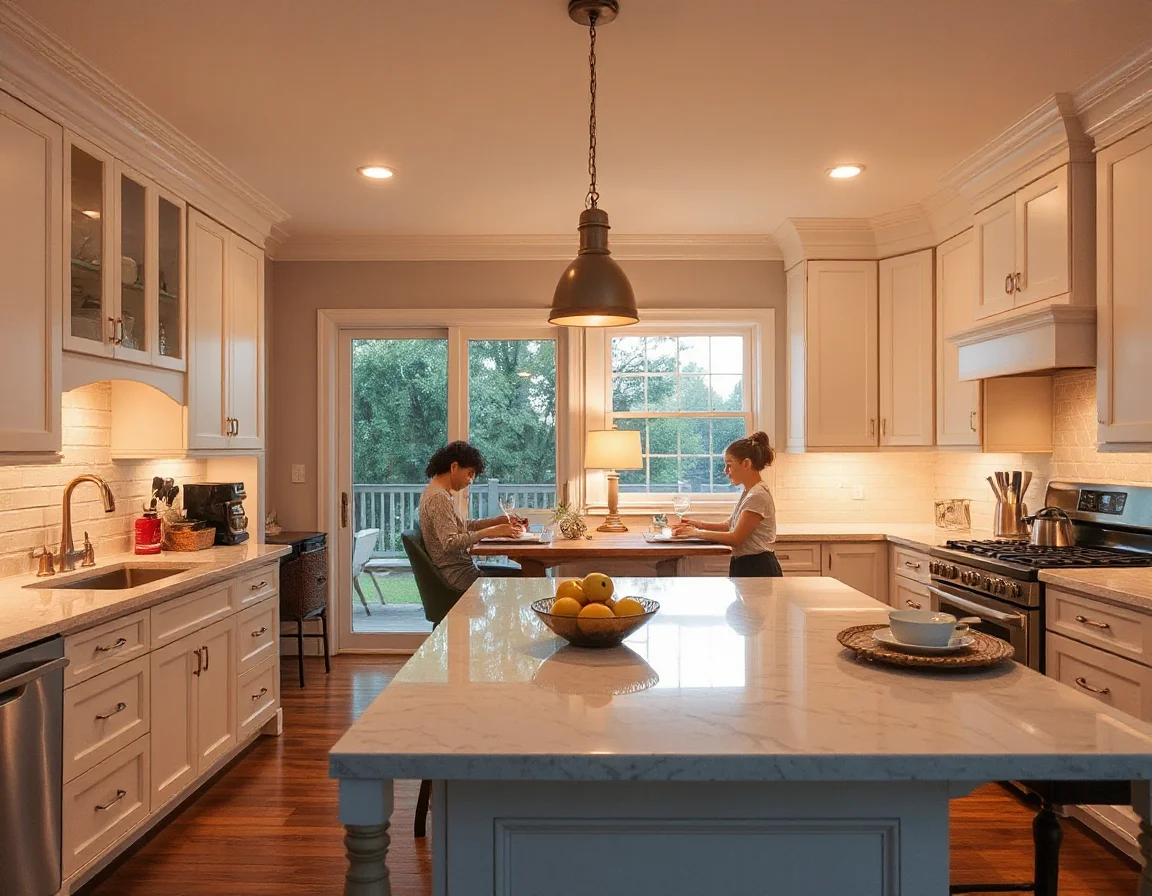
Workflow should lead the conversation. A functional kitchen creates logical zones for storing food, preparing meals, cooking, cleaning, and putting items away. This does not always require moving plumbing or knocking down walls. Replacing a narrow base cabinet with drawers, adding a pullout beside the range, or creating a landing space near the refrigerator can change the room’s day-to-day rhythm without turning the project into a full-scale rebuild.
For many Morris County homes, where kitchens may range from compact older layouts to larger open-concept spaces, scale matters. A large island can be helpful if it preserves comfortable paths around appliances and cabinet doors. In a smaller room, a slim peninsula, rolling work surface, or well-designed pantry cabinet may deliver more value than an oversized feature that crowds circulation. Buyers tend to respond to rooms that feel easy to move through, not simply rooms with the most additions.
Before finalizing a plan, stand in the kitchen during a normal morning or evening routine and write down every extra step, blocked drawer, or missing landing spot. That list is often more useful than a folder full of inspiration photos.
Storage is one of the most practical places to invest. Deep drawers for cookware, adjustable pantry shelves, tray dividers, recycling pullouts, and dedicated locations for small appliances can make a kitchen feel more generous without changing its footprint. These details are also easy for future buyers to understand during a showing because their usefulness is immediate and visible.
Choose Materials That Support Daily Use
Finishes should look good, but they also need to stand up to the pace of the household. Countertops, flooring, cabinet hardware, and sinks receive constant use, so durability and maintenance deserve as much attention as appearance. A well-selected material helps a kitchen retain a polished look over time, which supports both everyday enjoyment and the home’s overall presentation.
Quartz remains a popular countertop choice because it offers a consistent appearance and relatively simple care. Natural stone can bring variation and character, but it may require periodic sealing depending on the product. Butcher block can add warmth in a limited prep area, while durable laminate options can be a sensible choice for a targeted refresh. There is no single correct material; the better decision is one that matches the budget, maintenance preference, and style of the rest of the home.
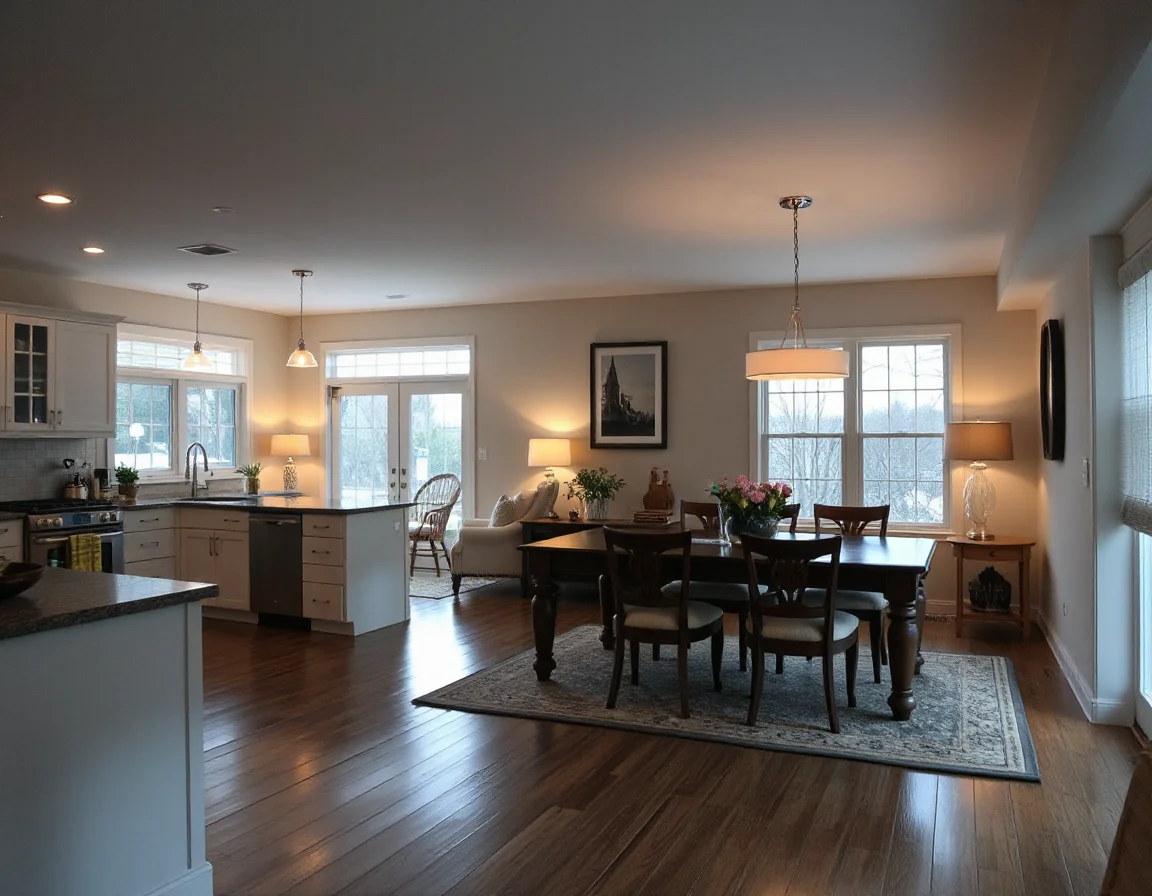
Cabinet decisions deserve a similarly practical lens. If existing cabinet boxes are solid and the layout works, repainting or refacing may be a smart alternative to replacement. New hardware, soft-close hinges, and updated drawer slides can make older cabinetry feel substantially more functional. When replacement is necessary, prioritize durable construction, accessible drawer configurations, and finishes that complement the home rather than following a short-lived trend.
Flooring should connect the kitchen to nearby rooms while handling spills, foot traffic, and cleaning. Wood, engineered wood, luxury vinyl, porcelain tile, and other resilient products all have a place depending on the home and renovation scope. Whatever material you choose, careful installation and transitions matter. Uneven flooring, awkward thresholds, and poorly placed vents can undermine an otherwise well-finished room.
A neutral foundation generally offers flexibility at resale. That does not mean the room needs to feel plain. Texture in a backsplash, warmth in wood tones, an interesting light fixture, or a painted island can add personality while leaving the major components easy to live with. Avoid spending heavily on highly specialized features that may not have broad practical value, particularly if a move may be on the horizon.
Lighting and Appliances Can Make a Major Difference
Good kitchen lighting is a usability upgrade, not just a finishing touch. The most effective plans use layers: ambient light for the overall room, focused task lighting at work areas, and accent lighting where it helps define a feature. Recessed lighting, pendants over an island, and under-cabinet fixtures can work together to reduce shadows and make food preparation, reading labels, and cleanup more comfortable.
Under-cabinet lighting is especially impactful because it brightens countertop work areas without taking up visual space. Dimmers add flexibility throughout the day, and warmer bulbs often create a more inviting evening atmosphere than overly cool lighting. During a sale, a bright and balanced kitchen also photographs better and helps prospective buyers see the condition of counters, cabinets, and finishes clearly.
A focused lighting update can be one of the strongest refresh projects per dollar: it improves task visibility immediately and helps an existing kitchen feel more polished without changing the entire layout.
Appliance selection should follow the room’s real needs and available space. Energy efficiency, reliable performance, ventilation, and installation dimensions often matter more than a long list of extra settings. If replacing a range or refrigerator, confirm clearances before ordering, including door swing, nearby cabinet depth, and paths for delivery. A coordinated finish can create a cohesive appearance, but the priority should remain a practical fit and dependable function.
Ventilation is another upgrade that can be easy to overlook. A properly sized range hood or venting solution can help manage heat, moisture, and cooking odors. In renovation planning, it is worth understanding what is possible within the home’s existing configuration before committing to a cooking setup that requires extensive changes behind the walls.
Plan With Resale in Mind Without Renovating for Someone Else
Kitchen projects tend to offer the best results when they improve how the current owner uses the home while avoiding choices that narrow future appeal. A buyer may not share the same cooking habits or design taste, but nearly everyone can appreciate clear storage, working appliances, clean finishes, useful counter space, and a layout that feels uncomplicated.
If selling is likely in the near term, a strategic refresh may be more appropriate than a major reconstruction. Deep cleaning, cabinet paint, updated pulls, modern lighting, a new faucet, repaired grout, and carefully chosen counter or backsplash improvements can dramatically change first impressions. Addressing deferred maintenance is often just as important: damaged cabinet faces, leaking fixtures, flickering lights, and worn caulk can distract from the room’s strengths.
For a larger project, keep records of permits, contractor information, warranties, material selections, and appliance manuals. This paperwork can be useful for future maintenance and can help provide clarity when preparing a home for the market. It is also wise to consider how the renovation relates to the property’s broader condition and likely price range rather than assuming every premium finish will return its full cost.
Talk through your home’s next steps
A Better Kitchen Is Built Around Useful Decisions
The most successful kitchen upgrades are rarely about chasing a single trend. They are built from a sequence of practical choices: solve the storage problem, improve the lighting, select materials that can handle regular use, and invest where the room will feel the difference every day. Whether the plan is a modest refresh or a complete renovation, a clear scope helps keep decisions grounded.
In Morris County, an updated kitchen can help a home stand out when it balances function, condition, and a cohesive look. Focus on the improvements that make routines smoother now, then present those improvements thoughtfully when the time comes to sell. A kitchen that works well is always a feature worth noticing.