

Sussex County home prices are shaped by more than a listing’s asking number: available inventory, condition, location, financing terms, and the strength of competing offers can all change the outcome. Understanding the local rhythm before touring homes or preparing a sale can help you make clearer decisions and build an offer or pricing strategy that fits current conditions.
What Moves Home Prices in Sussex County?
Home values in Sussex County, New Jersey, are influenced by a mix of broad market conditions and highly local details. Mortgage-rate changes, seasonal listing patterns, and the number of available homes all affect buyer demand. At the same time, a property’s acreage, maintenance history, layout, access to major routes, and proximity to everyday amenities can create meaningful differences between two homes with similar bedroom counts.
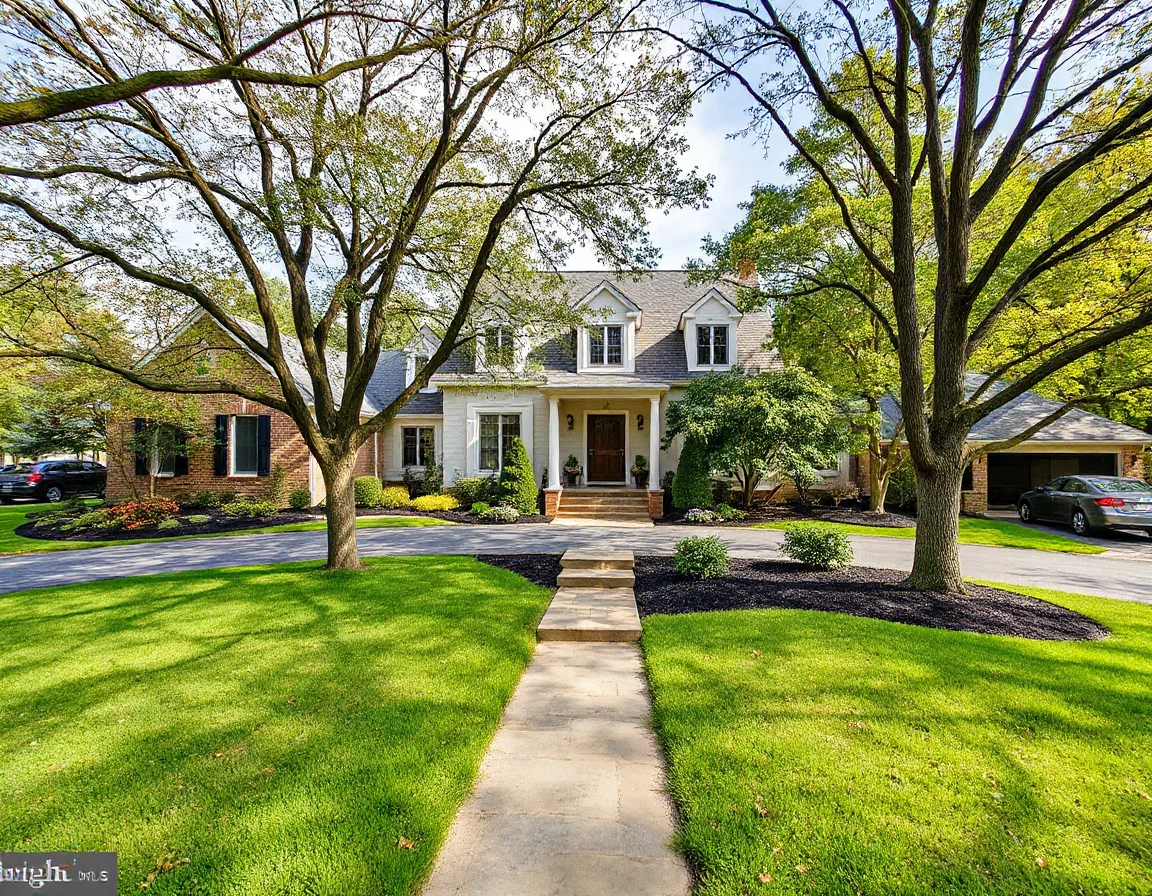
Rather than looking only at a countywide median, it is useful to compare homes with similar characteristics in the same immediate area. A renovated colonial, a lake-community property, a townhouse, and a home on several acres may all respond to different buyer priorities. Recent closed sales provide the most useful evidence because they show what buyers actually agreed to pay, not simply what sellers hoped to achieve.
Condition remains one of the most visible pricing factors. Buyers often calculate the time, cost, and uncertainty involved in major repairs when comparing options. A home with an updated roof, well-maintained systems, clear documentation, and thoughtfully prepared presentation may compete differently than a similar home that needs immediate work. That does not mean every project needs to be completed before selling; it means the pricing and marketing plan should accurately reflect the property’s current condition.
Seasonality can also affect the conversation. Spring often brings more choices and more activity, while late fall and winter may produce fewer new listings. Neither period is automatically better for every transaction. The important question is whether current supply and demand support your specific price range, property type, and timeline.
A countywide headline can be useful context, but the most actionable price range comes from recently sold homes that closely match your property’s location, condition, size, and features.
For buyers, this is a reminder to look past the list price alone. Ask how long the home has been available, whether it has been adjusted, what comparable homes have sold for, and which features distinguish it from nearby alternatives. For sellers, the same information helps identify a price that invites serious attention without leaving the home overlooked during its most active early days on the market.
Inventory Changes the Pace of the Search
Inventory simply means the number of homes currently available for sale. When there are fewer suitable properties relative to active demand, well-positioned listings can receive quicker attention and stronger competition. When there are more choices, buyers may have additional time to compare homes, evaluate repairs, and weigh price adjustments. The balance can shift from one month to the next, and it can vary substantially among Sussex County communities.

Low inventory does not mean every listing will receive multiple offers. Presentation, price, property condition, and buyer expectations still matter. A home that is priced far above comparable sales or that has unresolved maintenance concerns may take longer to secure a contract even in an active environment. Likewise, a carefully prepared listing can stand out when buyers have many options to consider.
Buyers benefit from setting up a practical search process before a compelling home appears. That includes reviewing a comfortable monthly payment range, identifying preferred property features, understanding likely closing costs, and having a lender conversation early if financing will be used. A clear search plan makes it easier to distinguish a genuine opportunity from a listing that only feels urgent because it is new.
Inventory also affects how sellers prepare. If competing listings offer similar layouts or price points, small details can help a home make a stronger first impression: decluttered rooms, accessible utility information, bright photography, manageable repair items, and a clear explanation of noteworthy improvements. These steps do not replace market-based pricing, but they can help buyers understand the home’s value more quickly.
The first week on the market often brings the widest initial exposure, so preparation and a well-supported price are especially important before a listing goes live.
It is also worth watching pending sales, not only active listings. Active homes show the competition a buyer or seller can see today. Pending homes can signal which features, locations, and price points are attracting accepted offers. Closed transactions confirm the final result after negotiations, inspections, appraisal, and financing have been completed. Looking at all three creates a more complete picture of market momentum.
How Offer Trends Affect the Bottom Line
An offer is more than a purchase price. In a competitive situation, sellers may compare financing, down payment structure, requested closing timeline, inspection provisions, appraisal terms, and the buyer’s flexibility. Buyers should choose terms they can comfortably honor rather than trying to imitate another offer without understanding the potential risk. A thoughtful offer protects the buyer while showing the seller that the transaction is organized and credible.
For sellers, the highest number is not always the strongest overall proposal. A slightly different price with reliable financing, realistic contingency timelines, and a closing date that matches the seller’s plans may be more appealing than an offer with a larger headline number but more uncertainty. Reviewing each term together helps avoid decisions based on one figure alone.
Inspection negotiations deserve particular attention. Most homes will have some items worth discussing, especially in a region with a wide range of home ages, lot types, septic systems, wells, decks, heating equipment, and drainage considerations. The goal is not necessarily to make a property flawless. It is to identify material concerns, understand their likely impact, and respond in a way that keeps the transaction moving when appropriate.
Appraisals can matter when financing is involved, particularly if an accepted offer reflects unusually strong competition. Buyers and sellers can prepare by keeping comparable sales in view and maintaining clear records of meaningful improvements. No one can control every outcome, but informed expectations can reduce surprise if the appraised value differs from the contract price.
Estimate your monthly mortgage payment
Use Current Information for Your Next Move
Sussex County real estate is never one single market. A home’s value and negotiating position depend on the specific property, its immediate competition, and the conditions present when it is listed or when an offer is written. Following headlines is helpful, but a focused review of comparable sales, active inventory, and recent offer activity provides a much stronger foundation.
Whether you are planning ahead or ready to act soon, begin with the facts that apply to your situation: your timeline, financial comfort level, property priorities, and the most recent local data. With a clear strategy, you can approach Sussex County home prices, inventory, and offer trends with less guesswork and more confidence.