
Sussex County offers an everyday rhythm shaped by water, wooded paths, and walkable town centers. From a quiet morning near a lake to an afternoon exploring local trails or gathering places, the county makes it easy to build a weekend around the outdoors while staying connected to practical amenities. This guide highlights the places and patterns worth noticing when exploring the area.
A Landscape Made for Unplugging
Set in northwestern New Jersey, Sussex County is defined by rolling terrain, open views, lakes, forests, and small-town centers that give each community its own pace. The county’s geography is a major part of daily life here: a scenic drive can pass farmland, stone walls, wooded ridgelines, and water in the same afternoon. Whether you are comparing towns, planning a visit, or simply looking for a fresh way to experience the region, the outdoors is never far from the conversation.
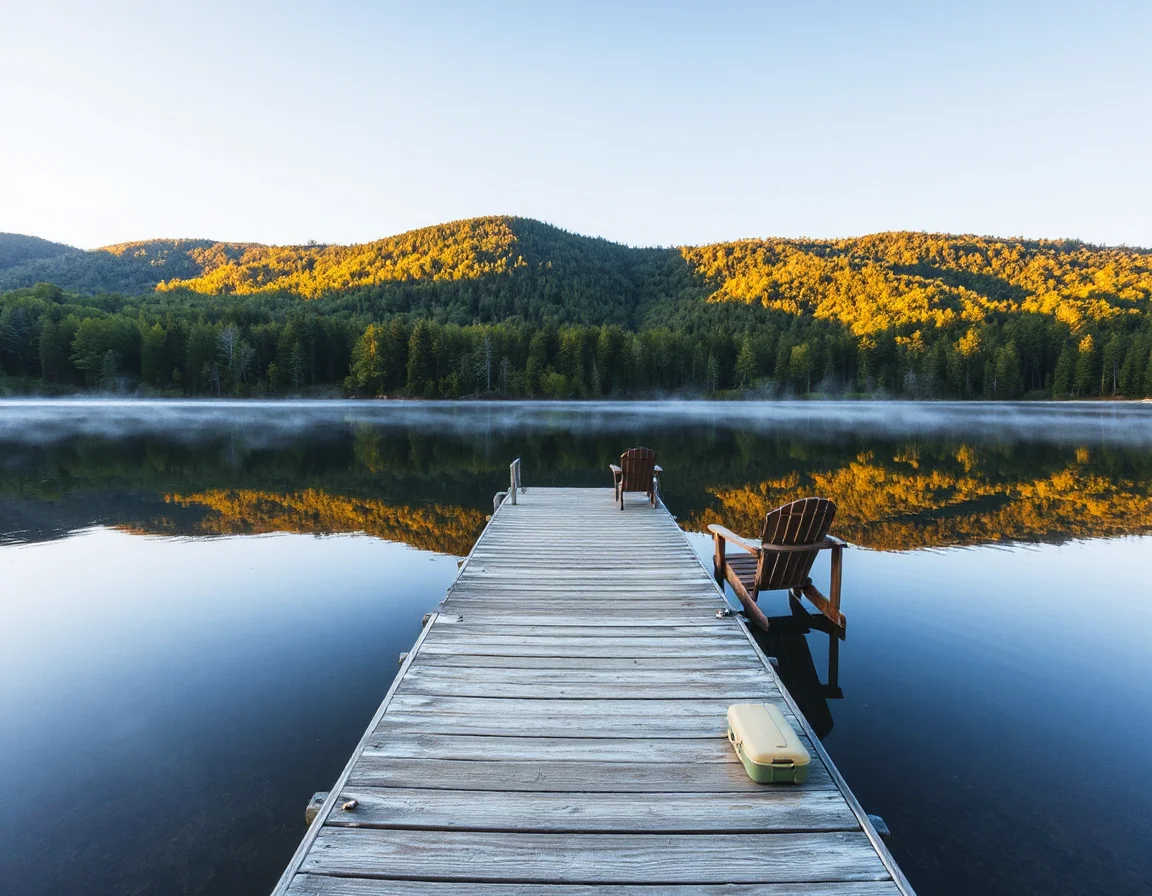
Lakes are woven into the county’s visual identity. The Lake Hopatcong area, which reaches into Sussex County, is well known throughout the region, while smaller lakes and reservoirs create quieter settings across the landscape. Views of the water, shoreline roads, public recreation areas, and seasonal changes all add variety to an outing. In warmer months, boating, paddling, fishing, and shoreline walks offer familiar ways to spend time outside; in cooler weather, the same water views become part of the county’s striking foliage and winter scenery.
The appeal is not limited to recreation. Water often influences how a place feels—morning fog over a lake, sunlight reflecting through trees, or a calm view from a nearby public access point can make an ordinary errand route feel more memorable. When considering a home near water, it is useful to ask practical questions about access, shoreline rules, association responsibilities, flood considerations, and seasonal maintenance. A beautiful setting is best enjoyed with a clear understanding of how the property and community manage it.
Lake-area properties can vary widely in access, lot configuration, and maintenance obligations, so reviewing the details of each listing matters as much as enjoying the view.
Sussex County’s four-season setting also rewards repeat visits. Spring brings bright green trails and flowing streams; summer invites longer evenings outdoors; autumn adds color to hillsides and roadways; and winter can reveal open views through the trees. That variety is part of what makes the county feel different from one month to the next, even when you return to the same favorite places.
Trails, Preserves, and Open-Air Routes
For those who prefer to experience the landscape on foot, Sussex County has a deep bench of parks, trail networks, and preserved land. The region’s terrain creates routes ranging from short, gentle walks to more challenging climbs and longer hikes. Trails can lead through forest, alongside water, across open fields, or toward elevated viewpoints where the scale of northwestern New Jersey becomes especially clear.
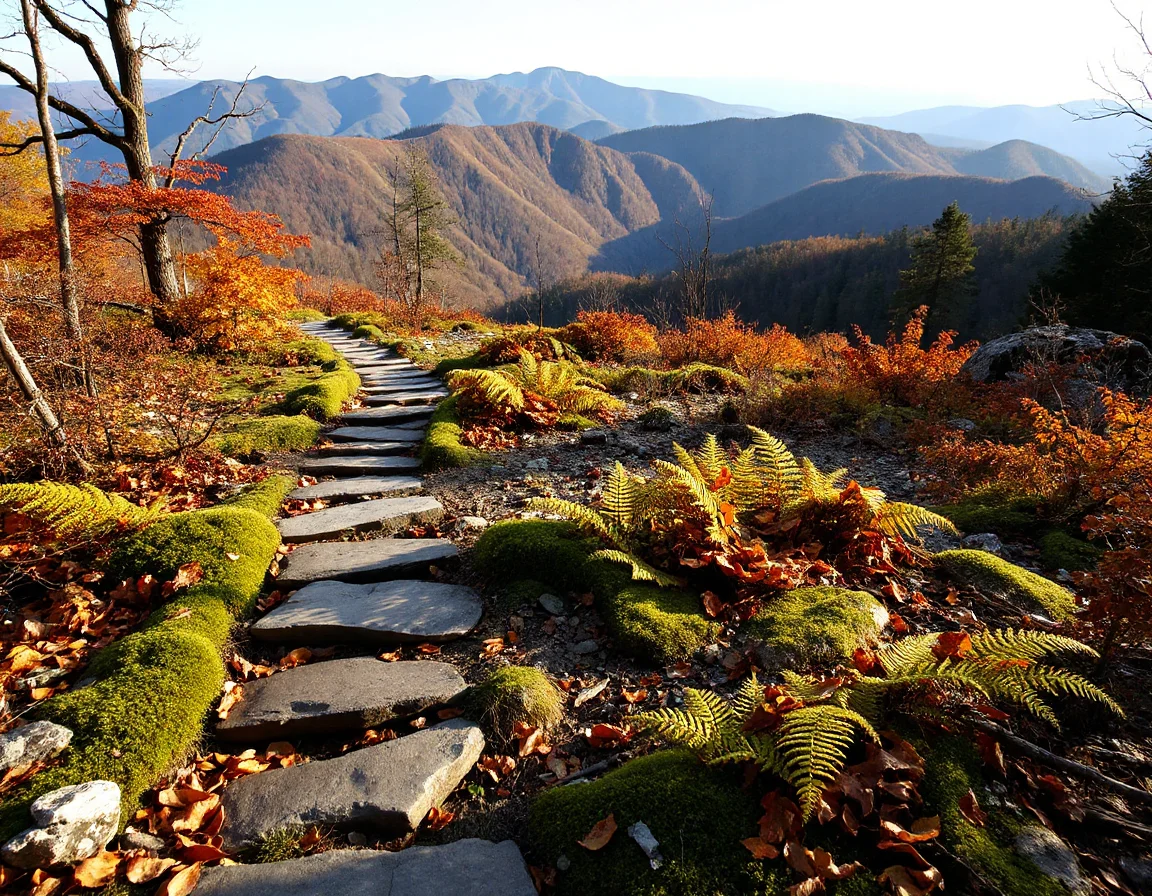
High Point State Park is among the area’s landmark outdoor destinations, with broad views and connections to the larger ridge-and-valley landscape. Stokes State Forest, the Delaware Water Gap region, and local parks throughout the county provide additional opportunities to explore. Conditions change with elevation, weather, and season, so a little preparation goes a long way: check trail maps, wear appropriate footwear, carry water, and confirm parking or access guidelines before heading out.
Not every outdoor plan needs to be an all-day hike. Many residents and visitors enjoy a quick loop before work, a relaxed weekend walk, or a scenic drive that includes a stop at a trailhead or overlook. These smaller routines matter because they make the county’s natural setting part of ordinary life rather than an occasional destination. A nearby path, park bench, or protected view can become one of the most-used features of a location.
Open space also shapes the local real estate conversation. Buyers may compare proximity to parks and preserved land alongside home layout, taxes, commuting needs, and property condition. Sellers can benefit from identifying legitimate nearby amenities in a listing description, such as a named public park, trail access point, or recreation facility, while keeping the focus on objective location facts and the property itself.
A drive through Sussex County can be a valuable research tool: notice road conditions, travel times, trailhead parking, and how the setting changes from one town center to the next.
Town Centers Add a Practical Counterpoint
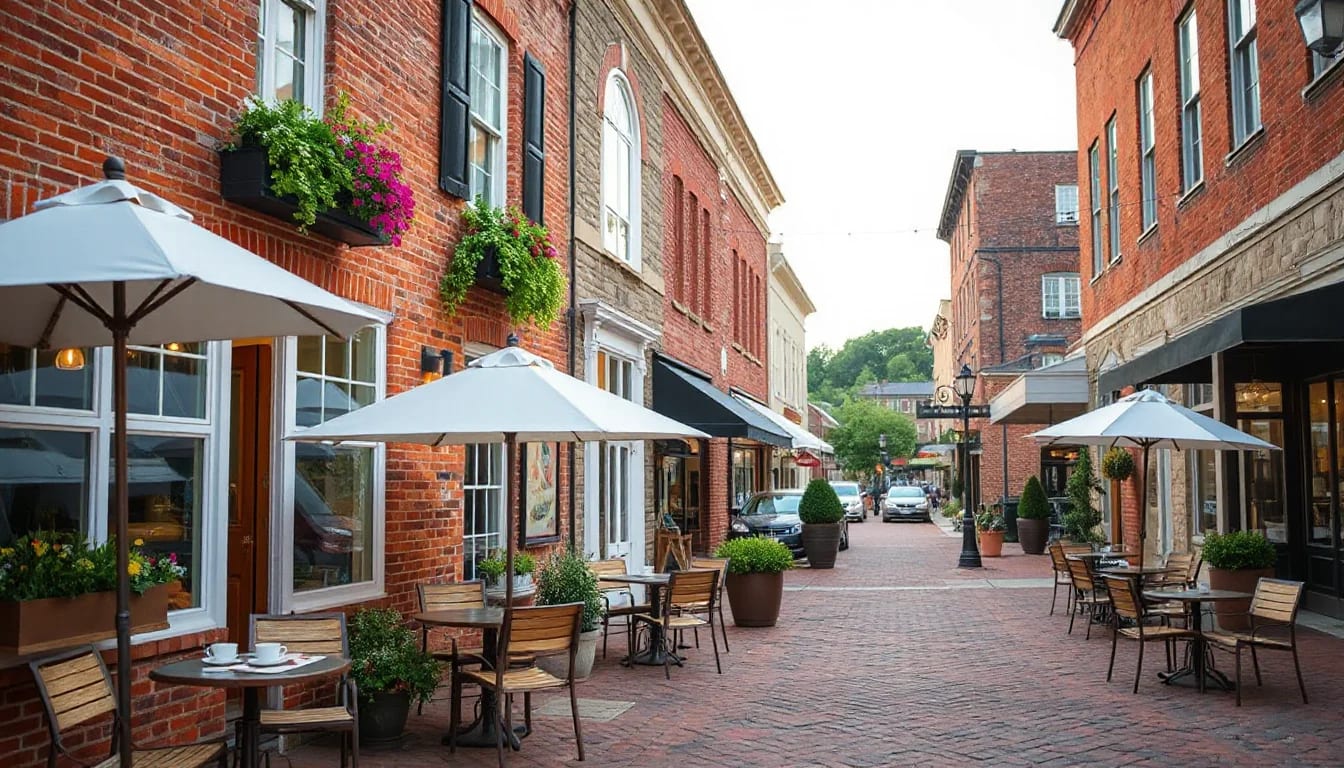
The county’s town centers bring a different kind of energy to the landscape. Communities such as Newton, Sparta, Sussex, Franklin, and Andover offer places to run errands, meet for a meal, attend local events, or browse services close to home. Historic architecture, civic buildings, public gathering spaces, and tree-lined streets often give these areas a distinct visual character without requiring a long drive to access everyday needs.
Newton, the county seat, has a central green and a traditional civic core that makes it a useful starting point for exploring the region. Sparta’s town-center area and nearby lake setting show another side of county life, while other communities offer their own blend of local institutions, recreation, and neighborhood services. Rather than assuming one town will fit every buyer’s priorities, it is helpful to visit at different times of day and build a personal list of what matters most—commute routes, grocery access, outdoor space, home styles, and the pace of the surrounding area.
The rhythm of a town center can also change throughout the year. Seasonal gatherings, arts programming, farmers markets, and community events create reasons to return, while ordinary weekday activity reveals the practical side of a location. These observations provide useful context beyond online photos. They help prospective buyers understand distances, traffic patterns, parking, and how different parts of the county connect.
Bringing the County into Your Home Search
Exploring Sussex County works best when you pair inspiration with a plan. Start by identifying the features that will have the most influence on your daily routine: access to trails, a lake view, acreage, proximity to a town center, a specific architectural style, or a manageable commute. Then compare those priorities with current inventory, property taxes, utility types, road access, and any homeowner association or waterfront rules that may apply.
Homes across the county can range from historic village properties and lake-area residences to homes on wooded lots, newer construction, and rural settings with more land. Each option brings a different set of considerations. A home surrounded by trees may offer privacy and seasonal beauty but may also call for attention to driveway maintenance, septic systems, or tree care. A property near a town center may offer convenient access to amenities while presenting a different lot size or architectural pattern. Thoughtful comparisons make it easier to see the tradeoffs clearly.
Valerie O’Farrell can help turn a broad interest in Sussex County into a focused search, with attention to the details that shape both a property and its setting. The goal is not simply to find a house on a map, but to understand how the roads, trails, water, services, and local character connect to the way you want to use a home.
From lake reflections and ridge trails to familiar town-center routines, Sussex County offers layers worth discovering in person. Take time to visit, ask practical questions, and let the landscape guide your research. The most useful perspective often comes from seeing how the county feels on an ordinary day—and imagining the small moments that could make a place feel like home.